3 Days in Rome: A Realistic Itinerary for First-Time Visitors
This post may contain affiliate links, which means I may earn a small commission at no extra cost to you.
Rome captured my heart from my first step onto a rugged cobblestone street. Ancient ruins and modern life exist side by side — one moment you’re passing a thousand-year-old church, the next you’re in a lively piazza filled with locals enjoying gelato.
If you’re planning your first visit, this 3 day Rome itinerary covers exactly how to see the city’s highlights without feeling rushed or overwhelmed.
This was our first trip to Europe, and after a full year of planning, my husband and I packed our days with landmarks we had dreamed about seeing — from the Colosseum to the Vatican.
One of the best decisions we made was balancing structured sightseeing with time to wander. I planned tours or major sights for about half of each day, leaving the rest of our time open to explore neighborhoods, duck into quiet churches, linger in cafés, and discover the small moments that make the Eternal City unforgettable.
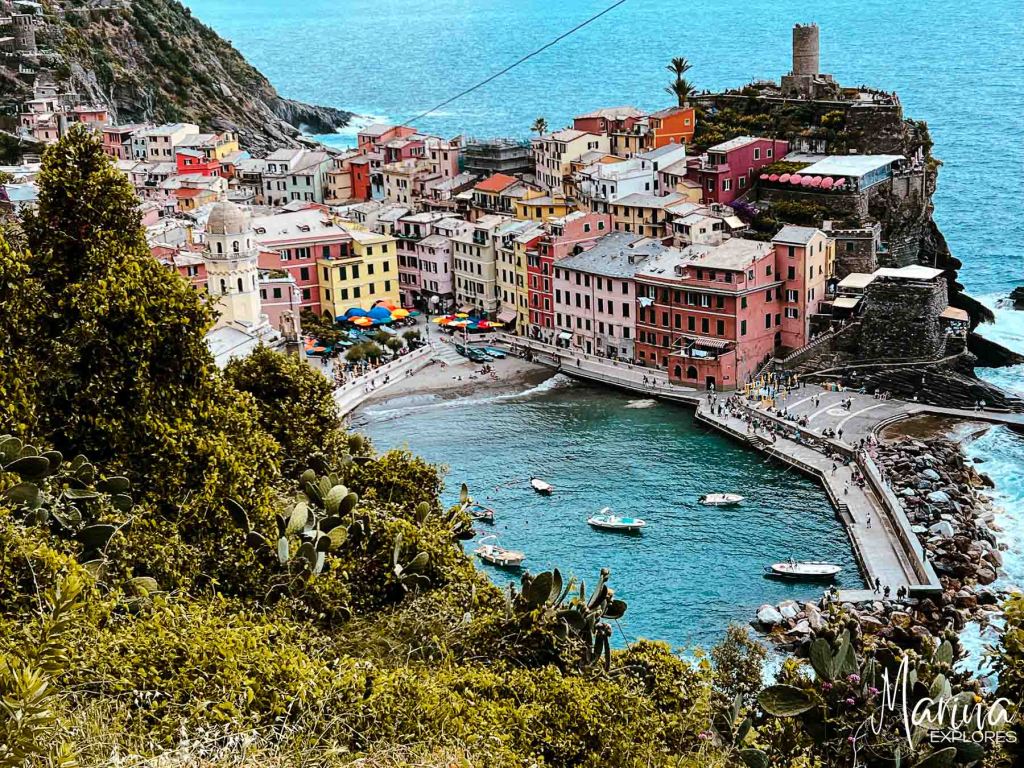
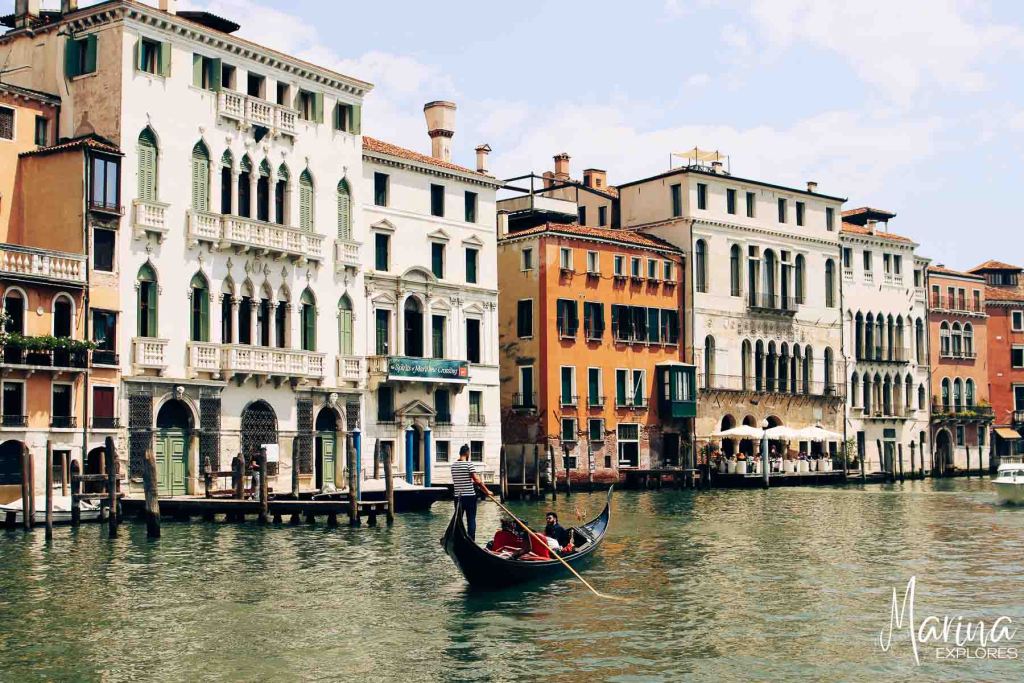
This Rome itinerary was part of our larger 17-day Italy trip, where we also visited Florence, Cinque Terre, and Venice.
Why This 3-Day Rome Itinerary Works for First-Time Visitors
✔️Balances must-see landmarks with time to wander
✔️Groups sights by neighborhood to minimize walking
✔️Includes photography-friendly locations
✔️Prioritizes early morning visits to avoid crowds
✔️Perfect for first-time visitors to Rome
If you’re willing to lace up your sneakers and explore the city on foot, you’ll be amazed by how much you can see in just three days. This 3 day Rome itinerary is active, photography-friendly, and designed to help you experience the highlights of Rome without feeling completely overwhelmed.
Essential Tips for Visiting Rome (First-Time Guide)
💡Wear comfortable walking shoes — Rome’s cobblestone streets can be uneven.
💡Book major sights early, especially the Vatican Museums and Colosseum.
If you’re short on time, booking skip-the-line tickets for the Vatican and Colosseum makes a huge difference in how much you can see in a day.
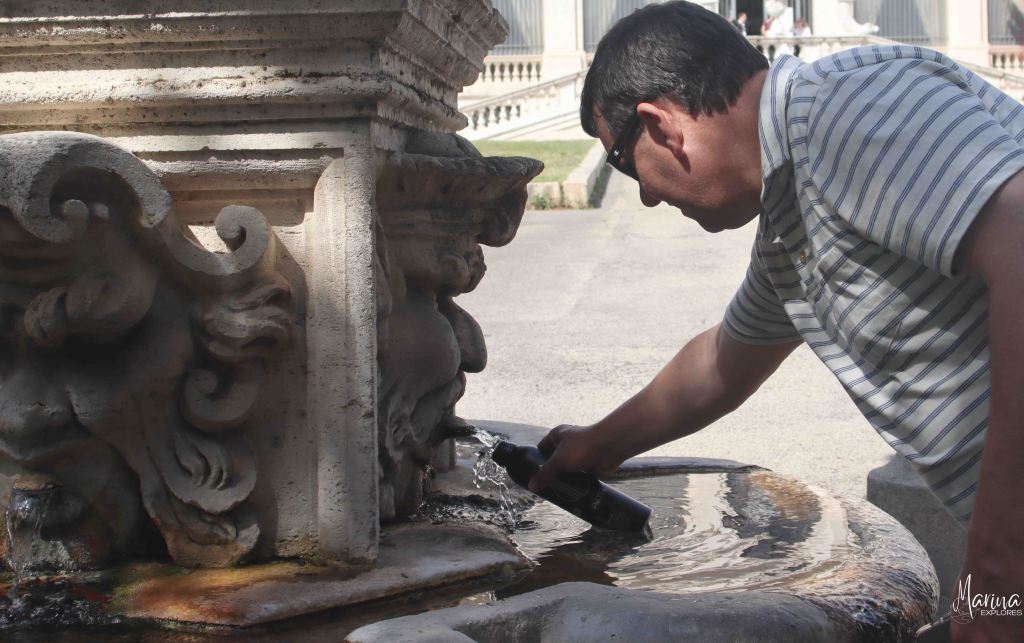
💡Carry water — Rome has public drinking fountains (called nasoni) where you can refill bottles.
💡Expect crowds at famous landmarks like the Trevi Fountain and the Spanish Steps.
Rome is a city best explored on foot, and having the right outfits can make long walking days much more comfortable.
3 Day Rome Itinerary Overview (At a Glance)
Day 1 – Historic Rome (Trevi Fountain, Pantheon, & Spanish Steps)
Day 2 – Ancient Rome (Colosseum & Roman Forum)
Day 3 – Vatican City (Vatican Museums, St. Peter’s Basilica, & Tiber River walk)
Most of Rome’s major attractions are surprisingly walkable. The historic center sits between the Colosseum and Vatican City, making it easy to explore several landmarks in one day.
Here’s exactly how we spent three days exploring Rome — including the best sights, photography spots, and a few unexpected moments that made the city so memorable.
✅How to Book Your Rome Itinerary (Quick Guide)
- Skip-the-line Colosseum tours (sells out fastest!)
- Early-entry Vatican tickets (best for avoiding crowds)
- Central Rome hotels near the Pantheon (best location)
Day 1 – Exploring Rome’s Historic Center Itinerary (Trevi Fountain, Pantheon & Spanish Steps)
Your first day in Rome focuses on the historic center, where many of the city’s most famous landmarks are within walking distance of each other.
Trevi Fountain (Best Time to Visit + Photo Tips)
This beautiful fountain is absolutely worth a visit. It’s always bustling with tourists looking to throw a coin over their shoulder, in hopes that it will bring them back to Rome someday.
Mr. Explores and I stopped by numerous times during our 3 days. He was particularly enamored with this monument, so we saw it in early morning, midday, and late at night. Fair warning, it was busy every single time. We even witnessed 3 different proposals here! It still manages to feel romantic though, even with the crowds.
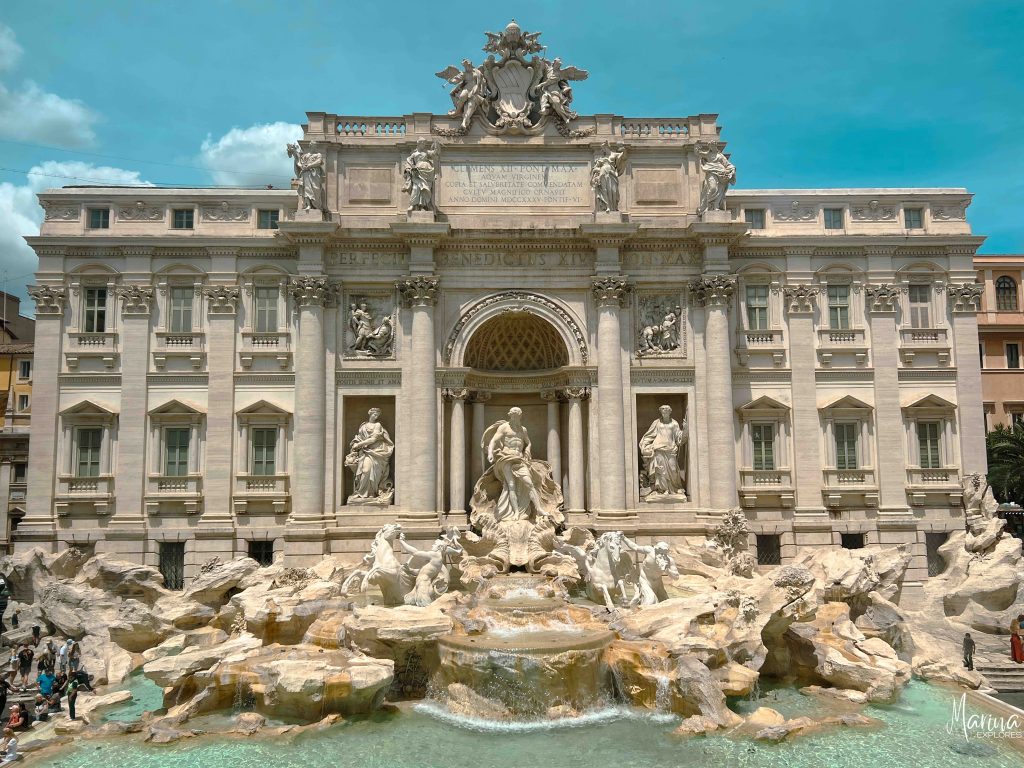
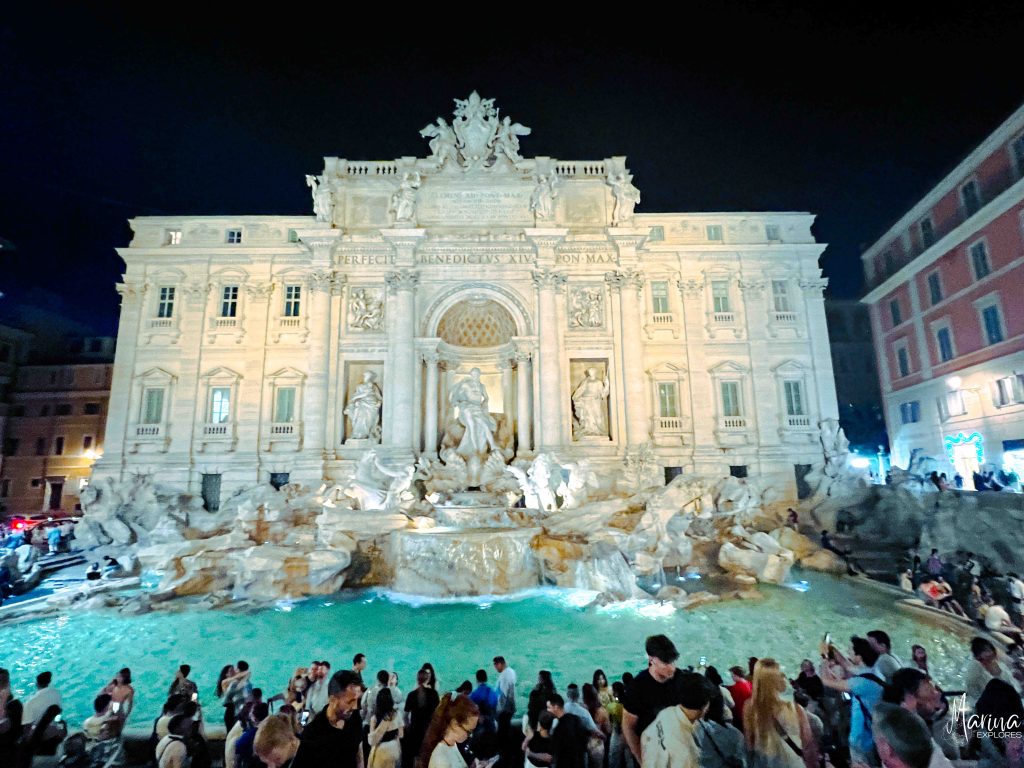
Regulations changed in 2026, and now only 400 visitors are allowed into the inner portion at a time so as to preserve this landmark.
Note: Tickets are only required for the inner area of the fountain. You can still walk by at street level and view it for free.
📸 Photo tip: Visit early in the morning for the best chance at photos with fewer crowds. If you want a higher perspective, head inside the nearby United Colors of Benetton store and photograph the fountain from the upstairs window.
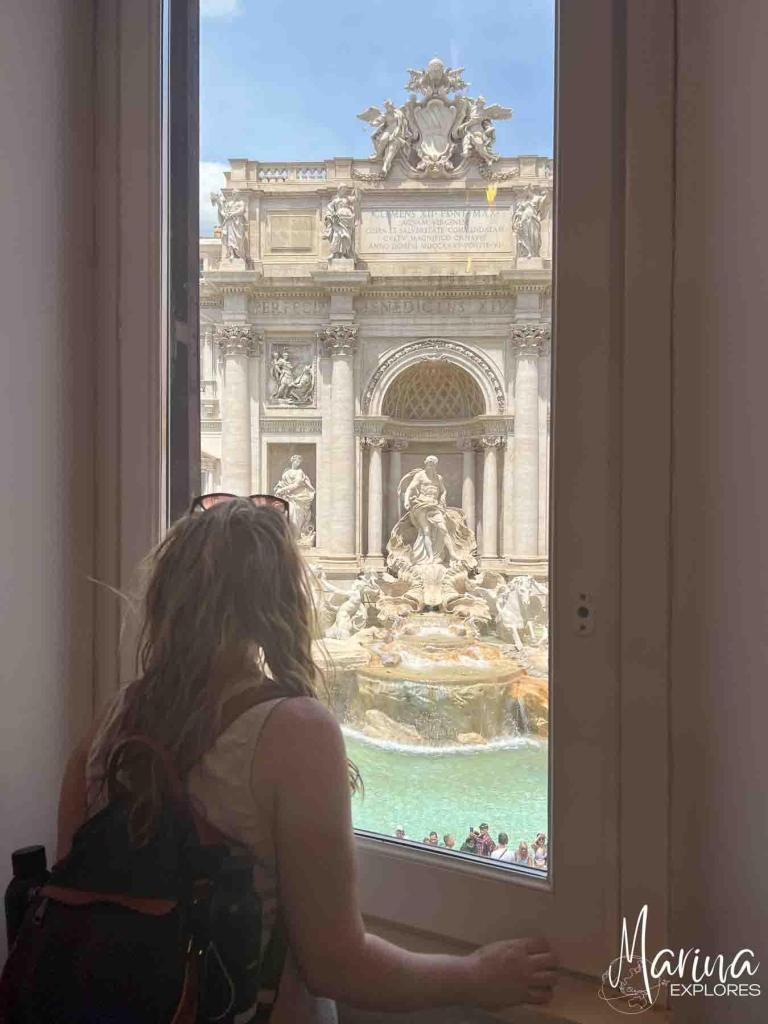
💡Tip: Bring coins to toss into the fountain.
Spanish Steps (What to Expect + Rules to Know)
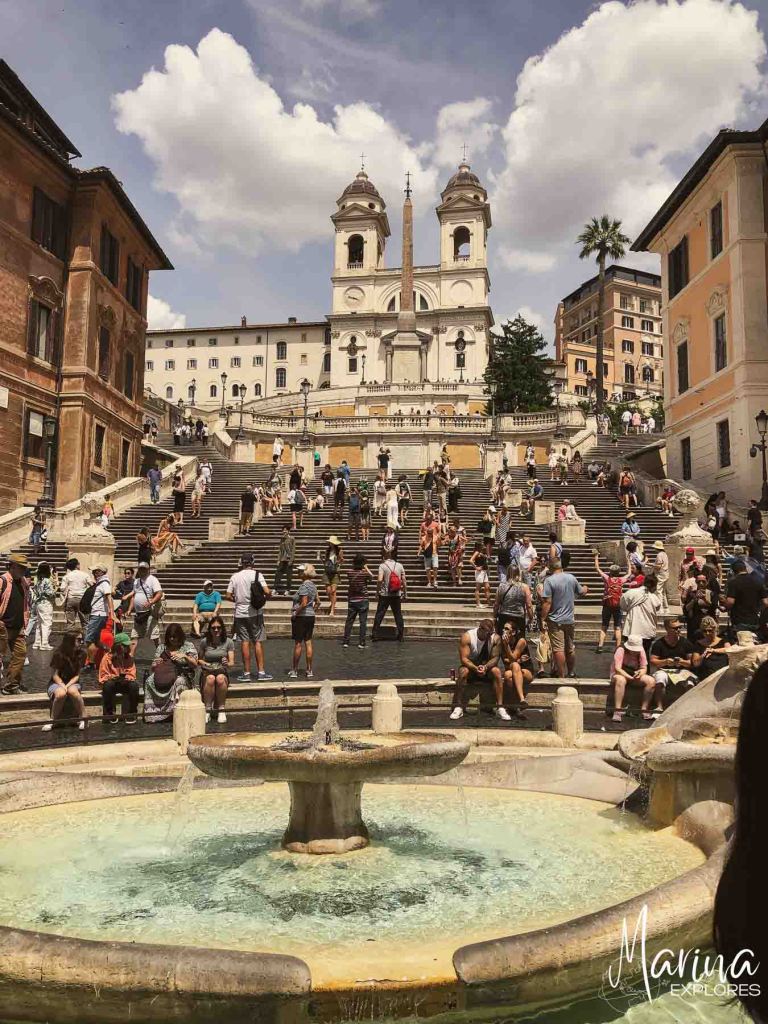
The famous Spanish Steps are a lovely backdrop for a photo, but you’ll likely have many, many people in the background. It is illegal to stop and sit, eat, or drink on the steps (though honestly, I never saw anyone getting shooed along). Just to be safe, plan to snap your iconic picture and move along.
Pantheon (Tickets, Dress Code, & What to Know Before You Go)
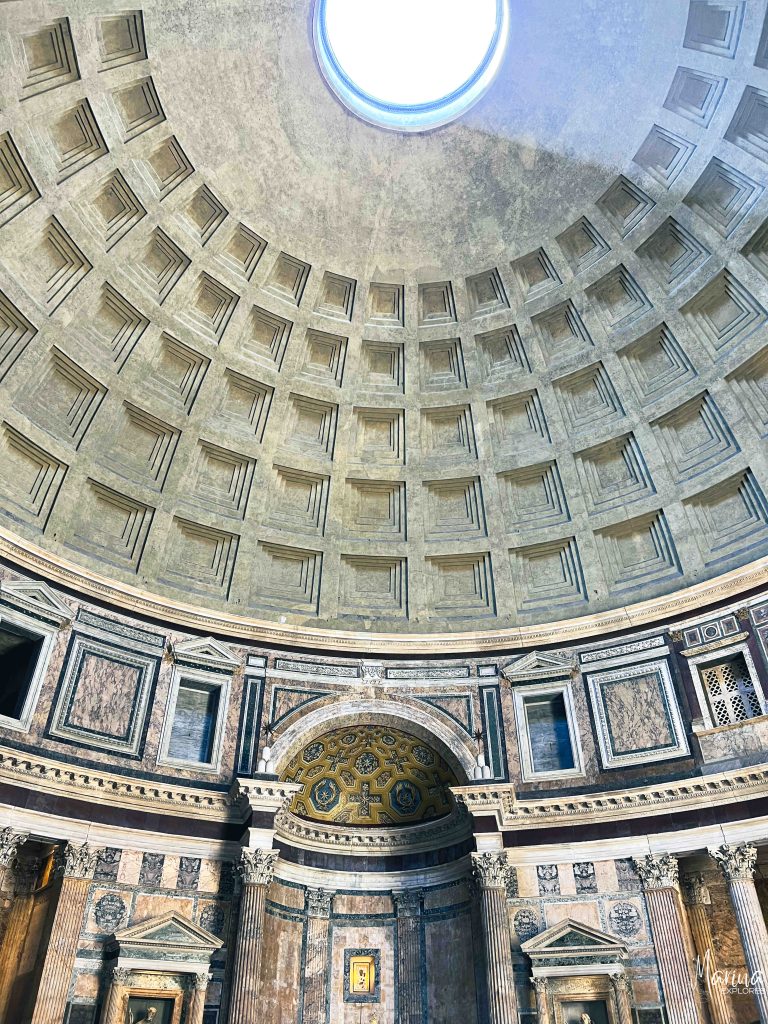
This ancient classic building has an open oculus at the apex of its dome. It makes for interesting photos as the beam of sunlight shifts around the room. Be aware that it is a basilica, so the typical church dress code is required (shoulders and knees covered).
Buy tickets ahead of time through the official site to avoid lines, and purchase the audio guide once inside. It will take about an hour to follow the audio guide.
I read a lot of advice about visiting here that emphasized the need to read the fine print of everything when buying a ticket, but I found the process to be fairly straightforward when I arrived.
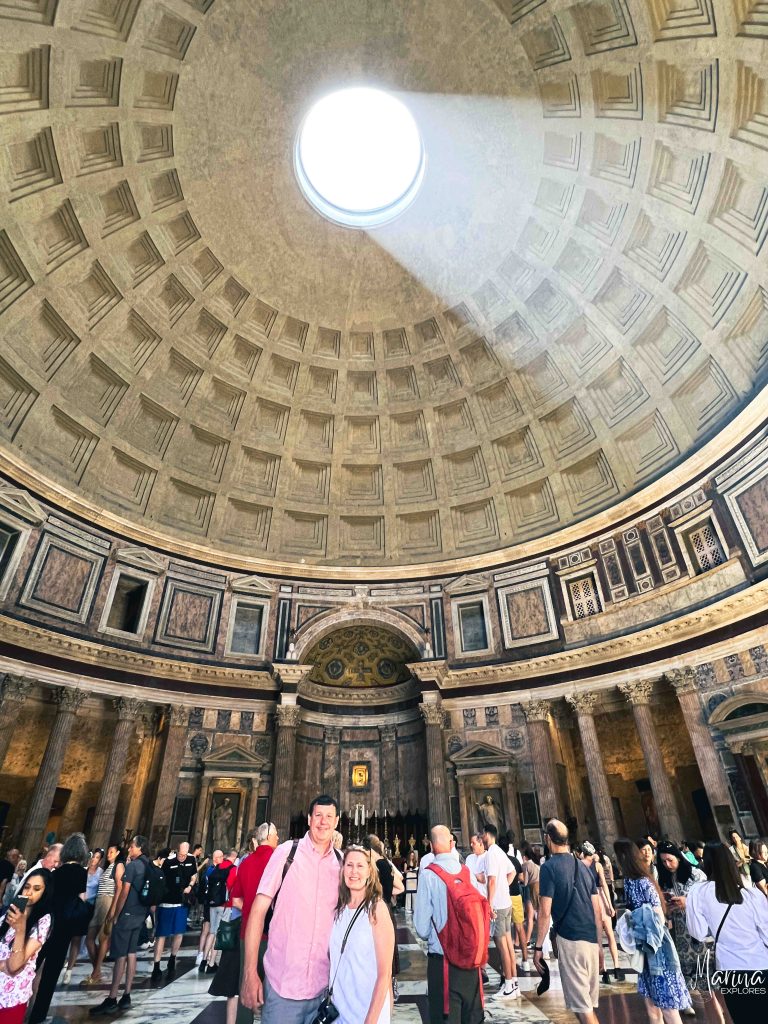
📸 Photo tip: Use the panoramic setting on your phone to capture the height of the front columns and the light inside.
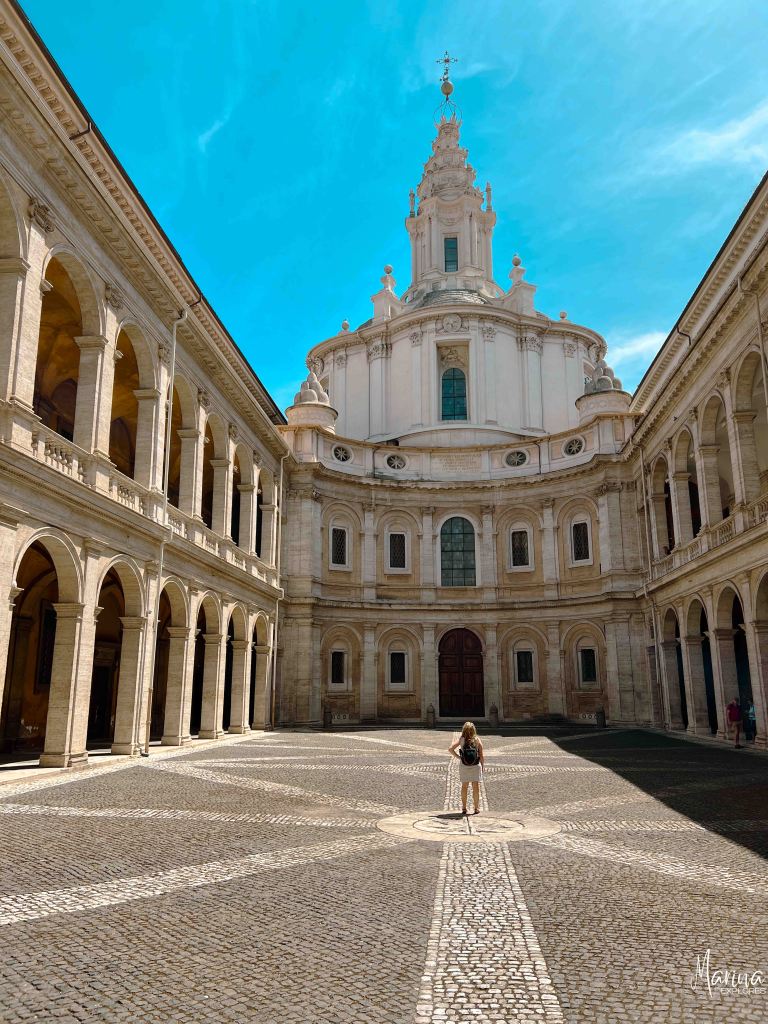
💡Tip: Make time to duck into lesser-known churches and courtyards. You’ll go from a busy street to a private moment inside and have the entire place to yourself.
Victor Emmanuel II Monument (Best Viewpoint in Rome?)
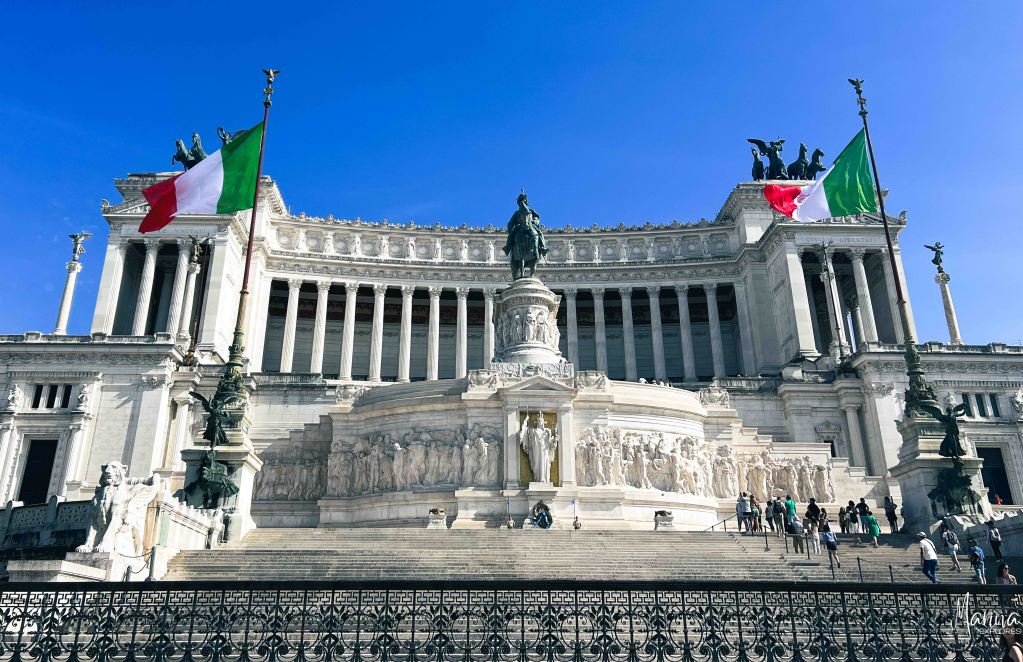
This unique monument has many names, but in English the official title is the Victor Emmanuel II Monument. It is known as the Altar of the Fatherland, and sometimes referred to as “the wedding cake” due to the curvature and columns of its facade.
I highly recommend heading here and paying the fee to take the elevator to the top. The views of Rome from here are spectacular. You can even see the Colosseum from here. I like to get up high when we first arrive in a city — it really helps me get my bearings of the layout of the city.
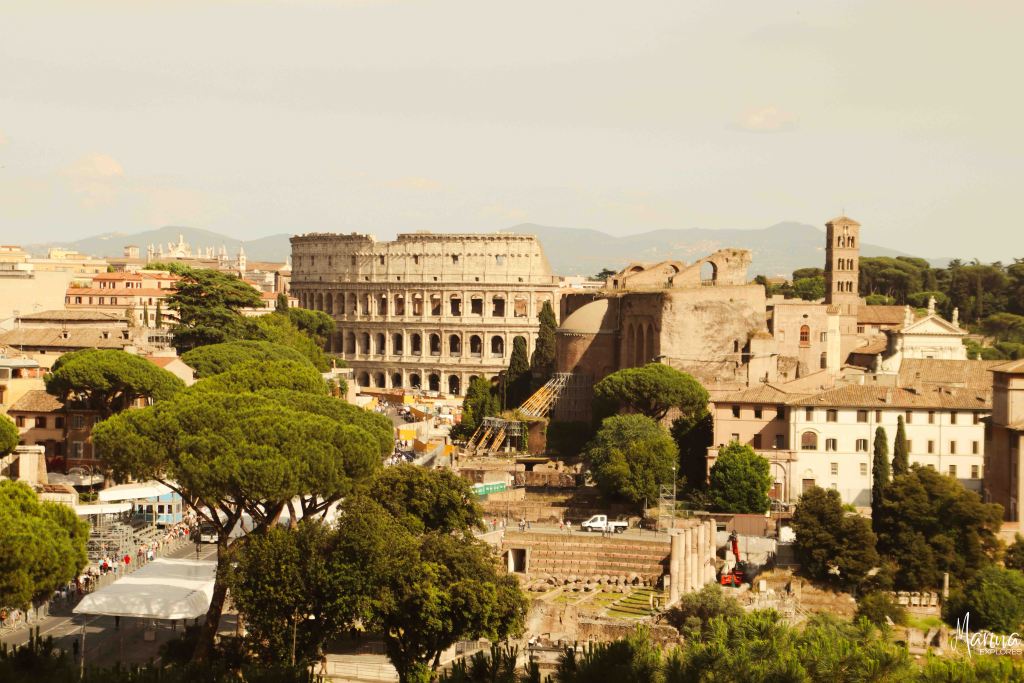
After exploring Rome’s historic center, your second day shifts to the city’s ancient roots.
Day 2 – Ancient Rome Itinerary (Colosseum, Forum, & Hidden Gems)
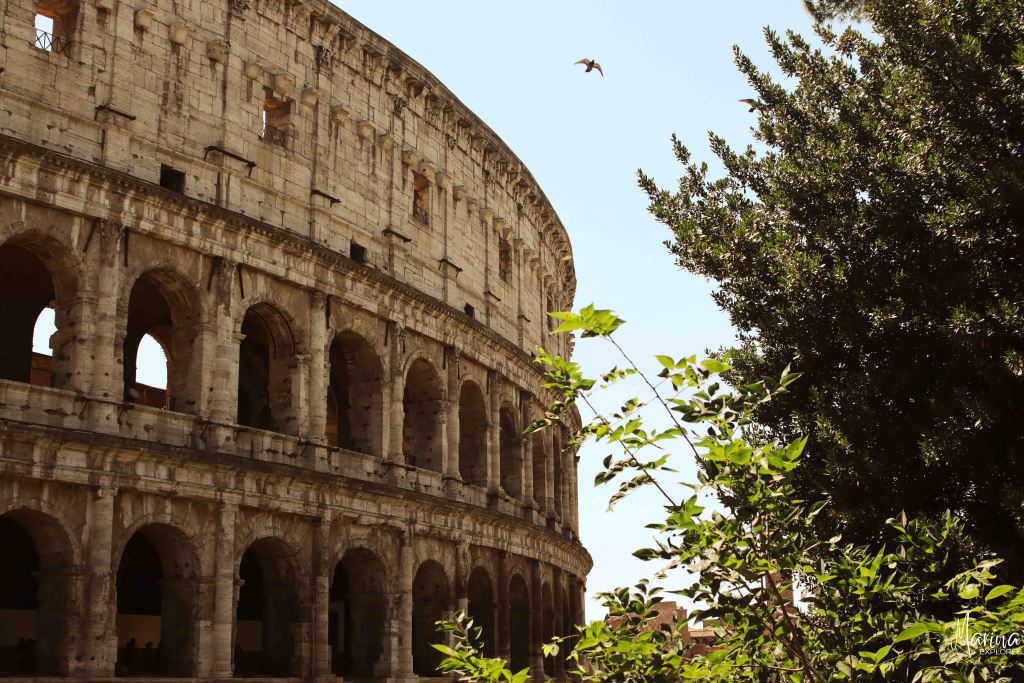
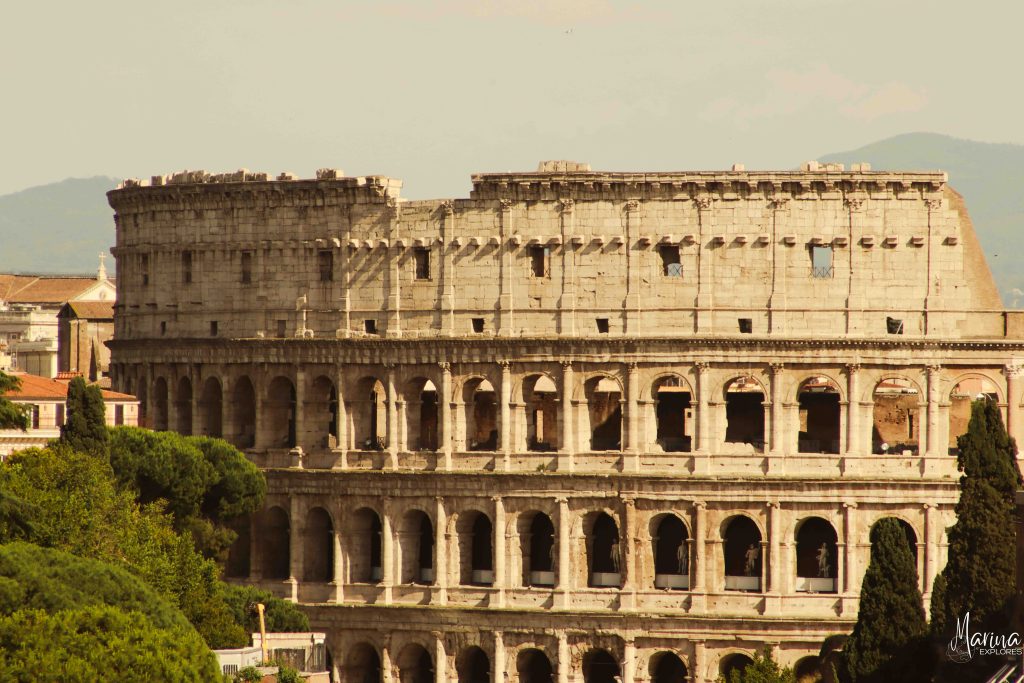
No visit to Rome is complete without seeing the iconic Colosseum, one of the most recognizable landmarks in the world. There are several other highlights to visit in the vicinity.
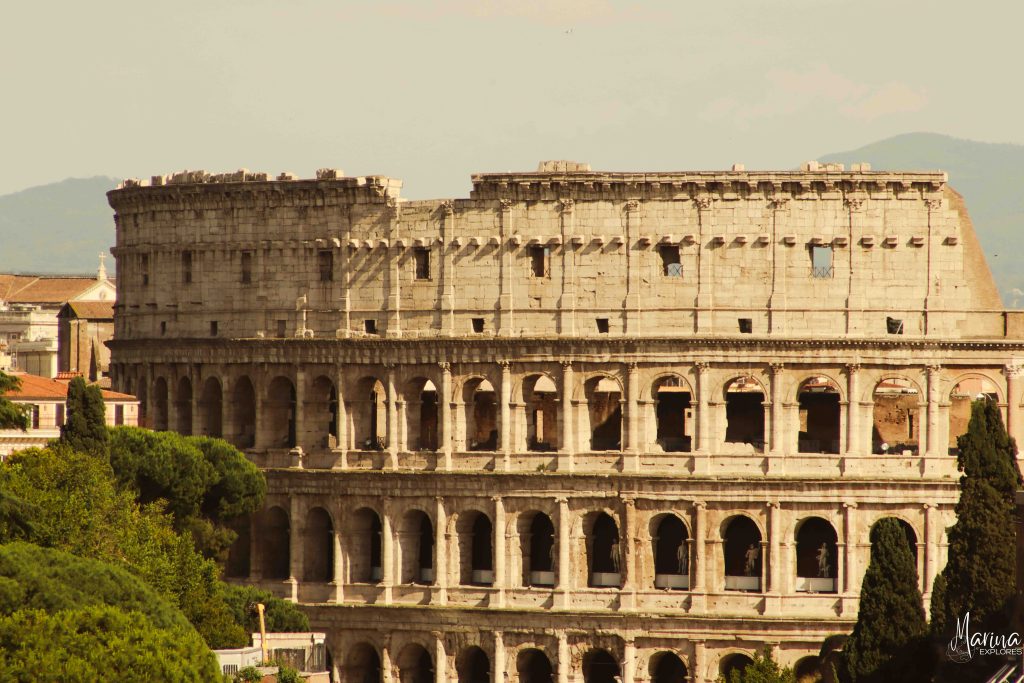
Colosseum (How to Visit + Is a Tour Worth It?)
The Colosseum was the first tour I booked when we decided to visit Italy — I was determined to see this ancient site.
For many years I taught 6th grade, so I had taught about the Colosseum numerous times but never seen it for myself. Tickets on the official site sell out quickly, and the booking system isn’t the easiest to navigate.
Although I often recommend DIY sightseeing, this is one time when booking a tour is the best way to go. Tours often include the Colosseum, as well as the nearby Forum and Palatine Hill.
If you’re short on time, a skip-the-line guided tour that includes the Forum and Palatine Hill is the easiest way to see everything without the stress of figuring it out yourself.
If you’re deciding whether to book a tour, here’s my honest review of whether a guided Colosseum tour is worth it.
→ See the exact tour we booked (skip-the-line + guide)
→ Compare current Colosseum tour options
💡Tip: Book tickets early and visit early in the morning or at the end of the day to avoid the midday sun.
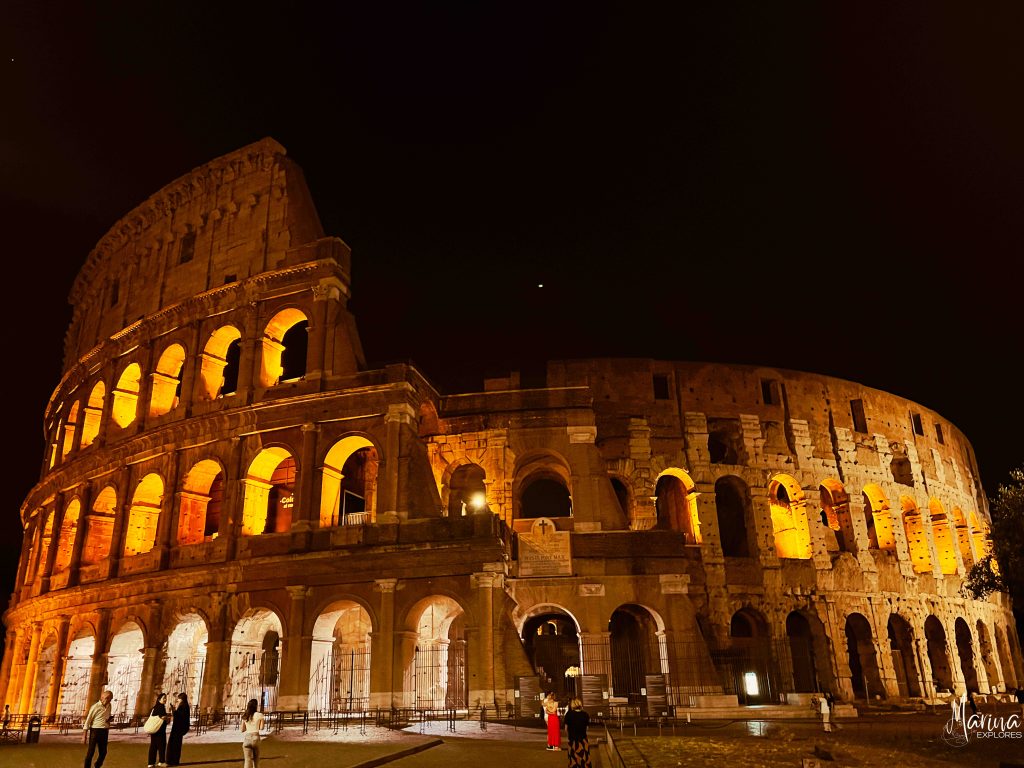
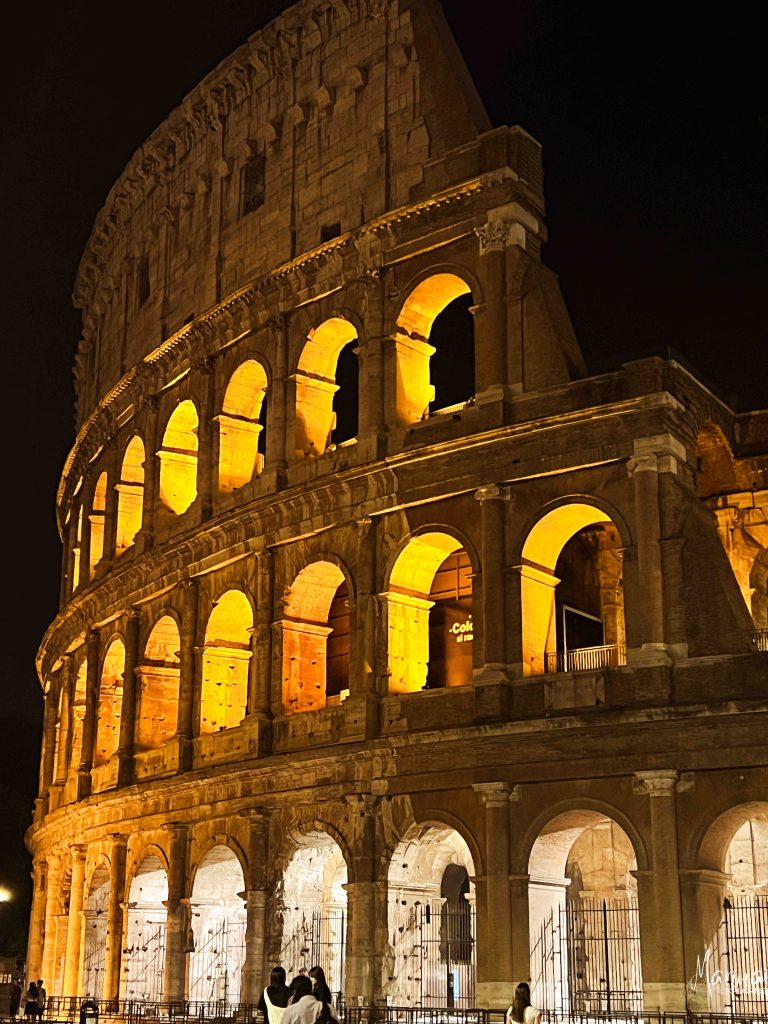
📸 Photo tip: Return at night when the Colosseum is illuminated. The warm lighting and smaller crowds make it one of the best photography spots in Rome.
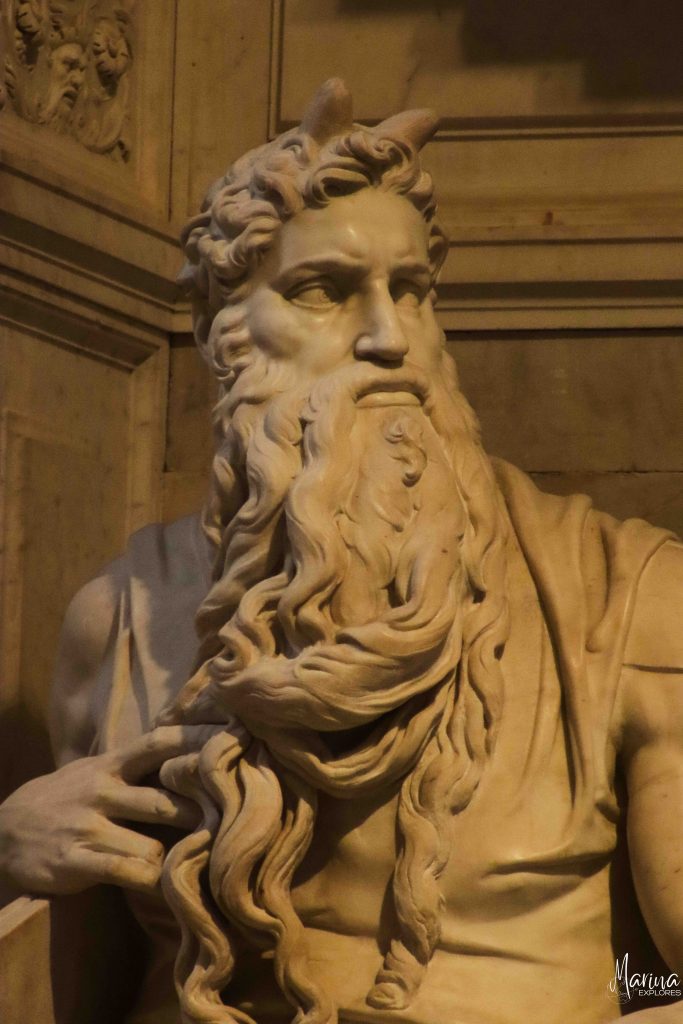
St. Peter in Chains (Michelangelo’s Moses Statue)
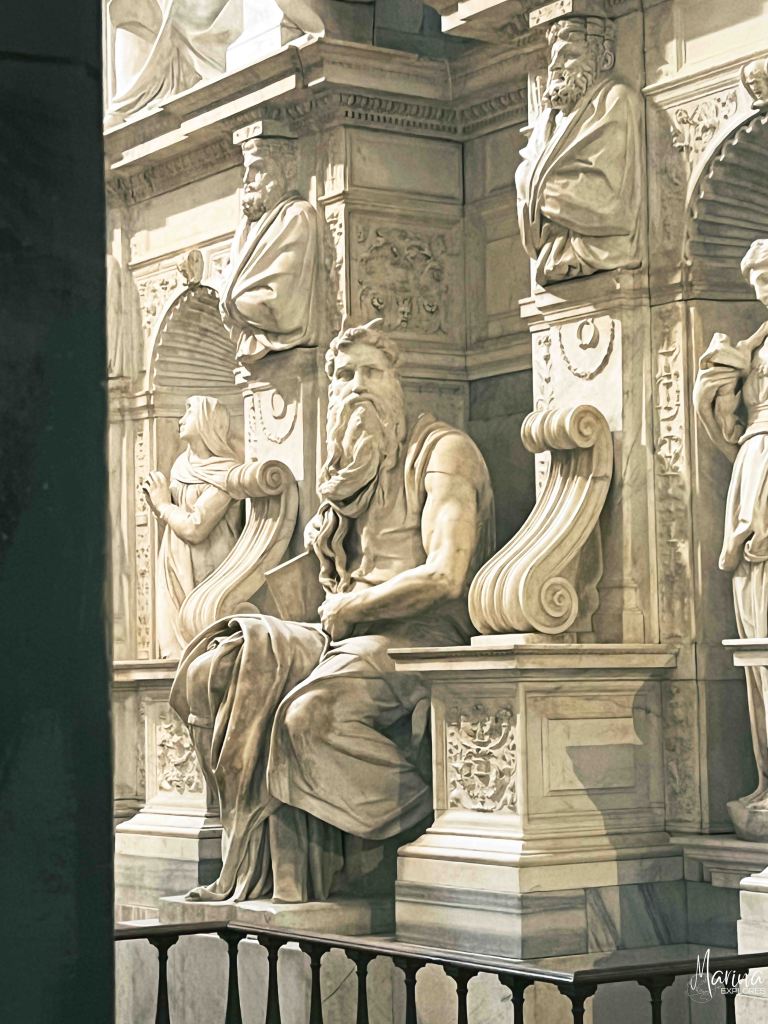
The famous Moses statue by Michelangelo is in the nearby church of San Pietro in Vincoli (St. Peter in Chains) just up the hill from the Colosseum. It is well worth a quick stop. It’s free to visit this minor basilica. The entrance is unassuming, so make sure to look up directions before visiting.
💡Tip: I highly recommend that you make time to return to the Colosseum at night to see it lit up. The crowds will be gone and you’ll blend in with the clusters of locals lounging around the square.
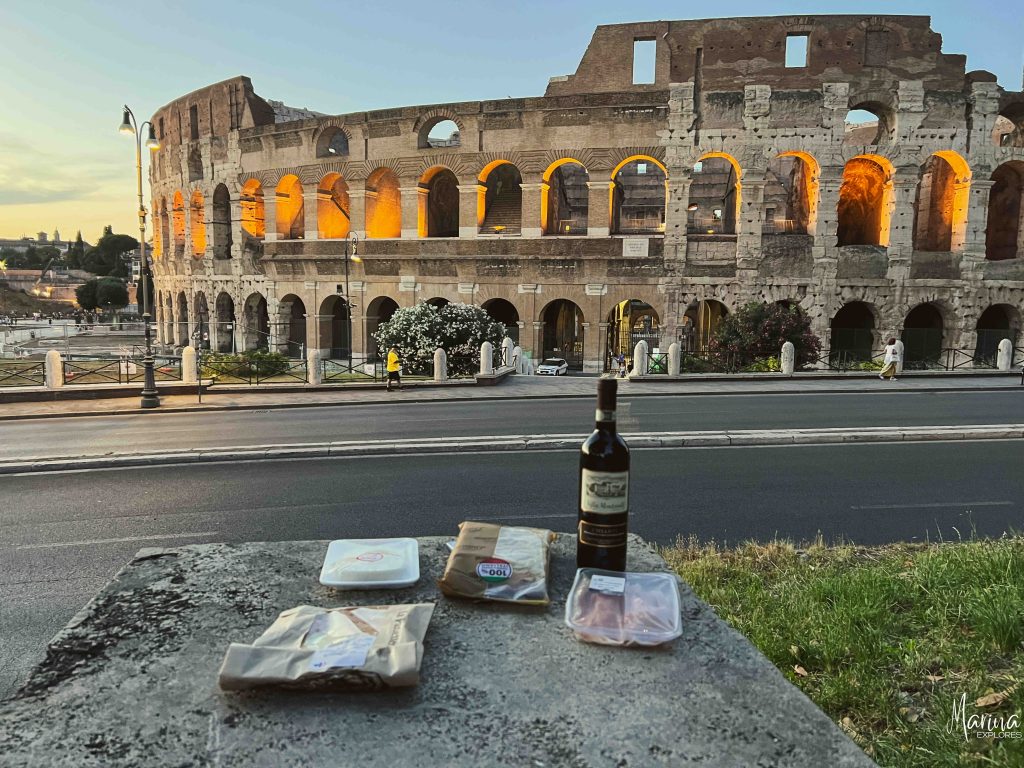
A Perfect Rome Evening: Colosseum at Sunset + Picnic Idea
One of our favorite experiences in Rome was slowing down in the evening with this sunset walk, ending with a picnic near the Colosseum.
Mr. Explores and I made a date of it and picked up the essentials for an Italian picnic —meat, cheese, bread, and of course wine — from a local grocery store. We circled the Colosseum on foot until we found this quiet stoop with a private view. It felt like we had this entire ancient ruin all to ourselves.
Day 3 – Vatican City Itinerary (Museums, Sistine Chapel, & St. Peter’s Basilica)
After exploring the ancient sites, your third day encompasses Rome’s legendary art and architecture.
- Vatican Museums
- St. Peter’s Basilica
- Walk along the Tiber
Vatican Museums (How to Visit Without the Crowds)
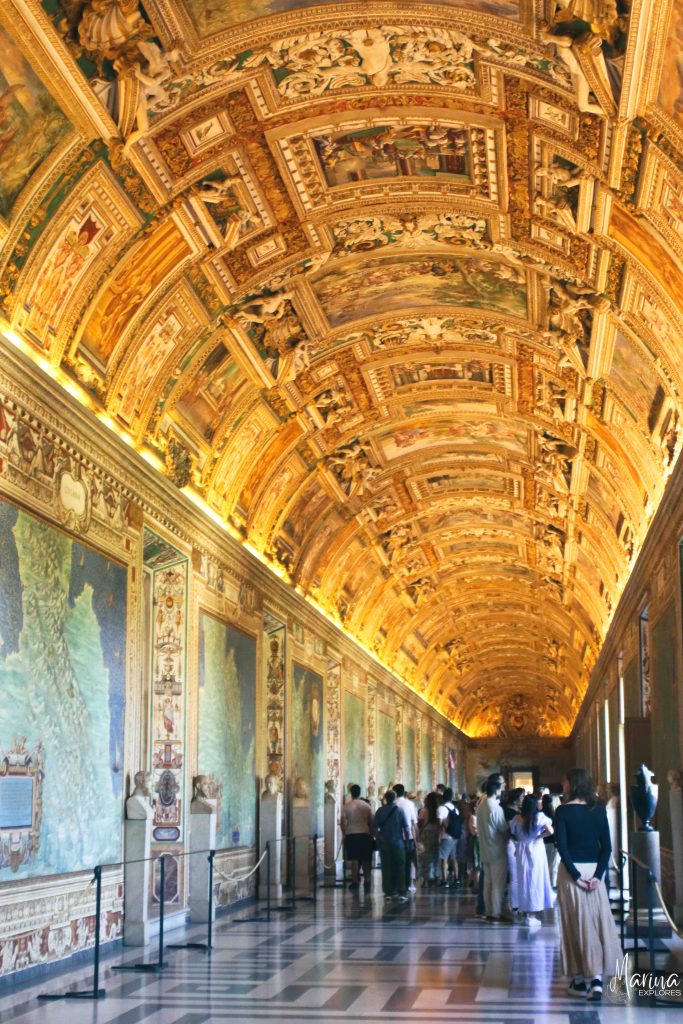
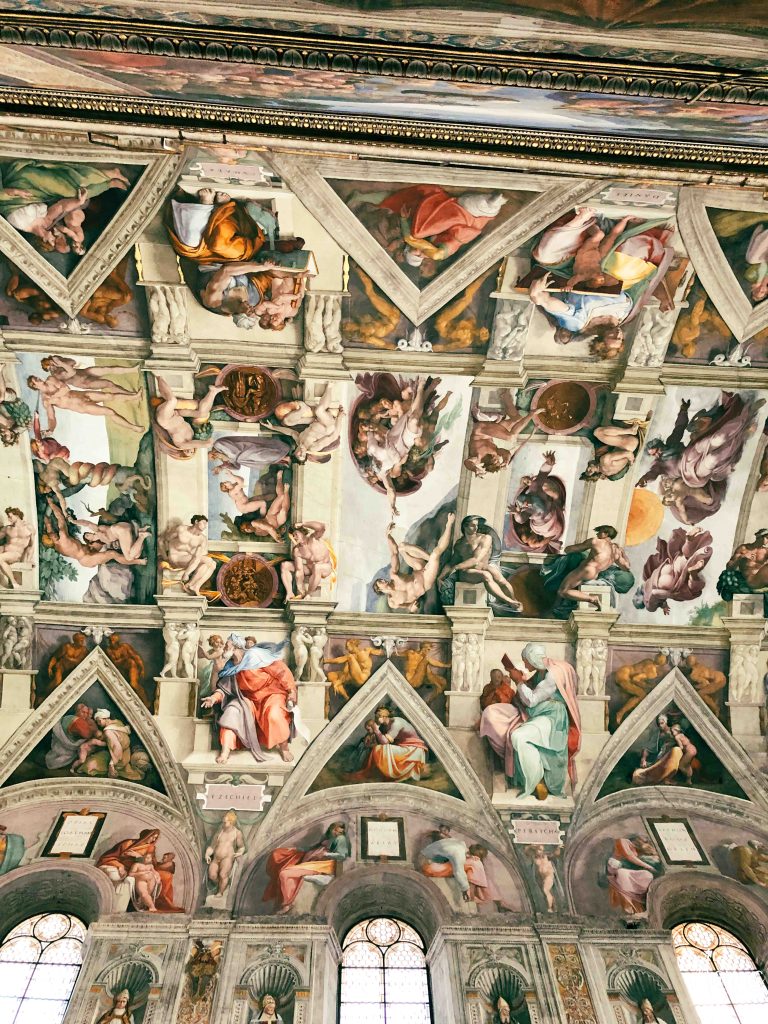
The Vatican Museums contain an overwhelming amount of art and riches — sculptures, mosaics, frescoes, ornate ceilings, sarcophagi, tapestries…the list goes on and on.
If you’re visiting during peak season, I highly recommend booking an early-entry or skip-the-line tour — the crowds build quickly.
We were given an abundance of information as we walked through the exhibits, but our guide also gave us time to enjoy the art and architecture at our own pace.
If you’re deciding which tour to book, these are the options I recommend:
-> View this early-entry Vatican tour (best for avoiding crowds)
-> Compare more options here
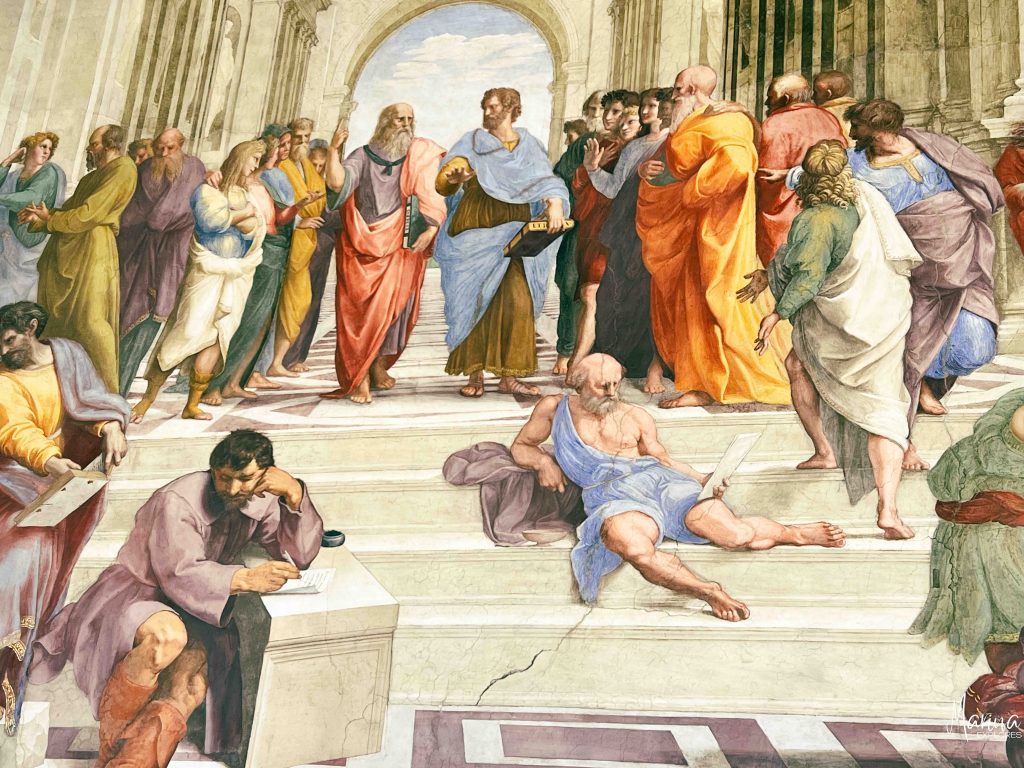
Sistine Chapel (What to Expect + Important Rules)
The tour I chose prioritized getting to the Sistine Chapel before the crowds. Photography is not allowed in that room, and they are quite strict about enforcing this.
The Gallery of Maps and Raphael’s School of Athens fresco were additional highlights for me personally.
Michelangelo’s celebrated Pietà was undergoing renovations to the protective glass barrier when we visited, so we were not able to view it. I guess we’ll just have to go back some day!
St. Peter’s Basilica (Dome Climb + What to Know Before You Go)
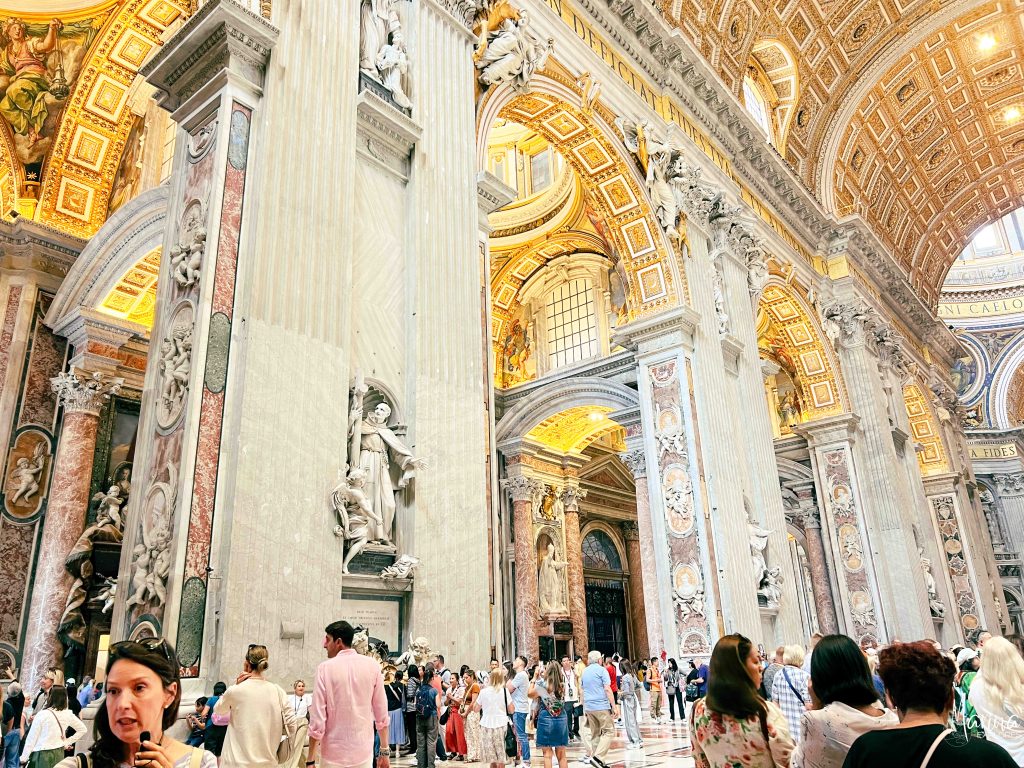
St. Peter’s Basilica, the magnificent Italian Renaissance church in Vatican City, is a must-see in Rome. It’s grand on the outside, and its interior is filled with stunning detail.
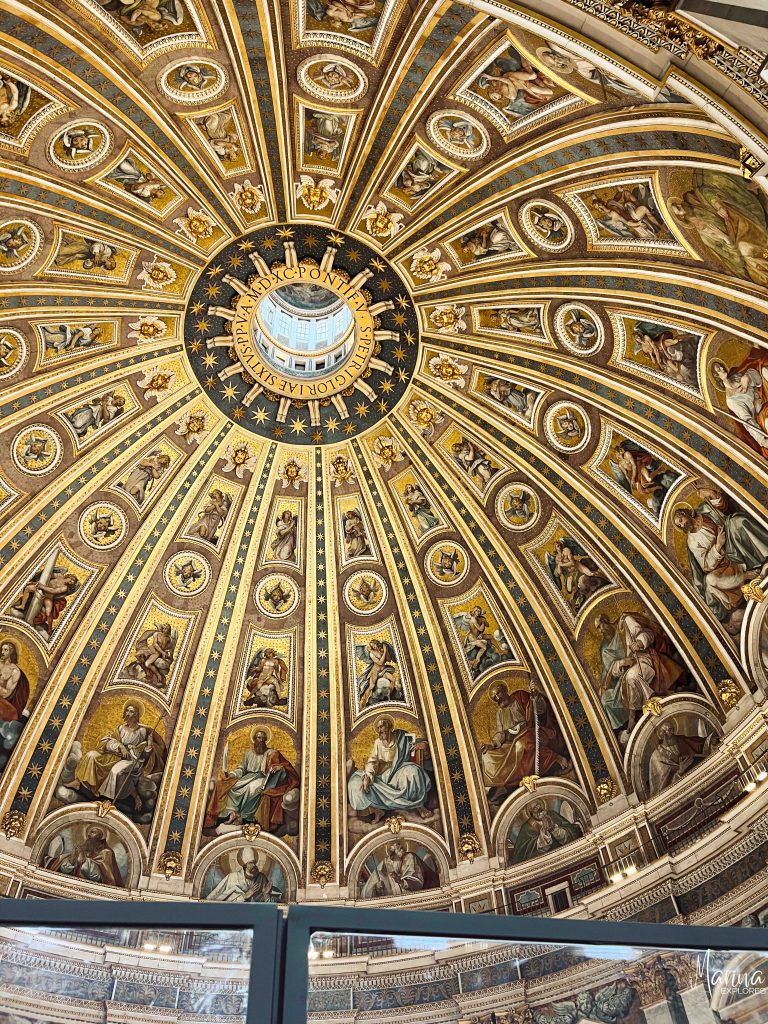
You have the option of climbing up the inside of the cupola, which I recommend doing if you are able. Be aware, there are many stairs, and the passage walls are narrow and lean inward.
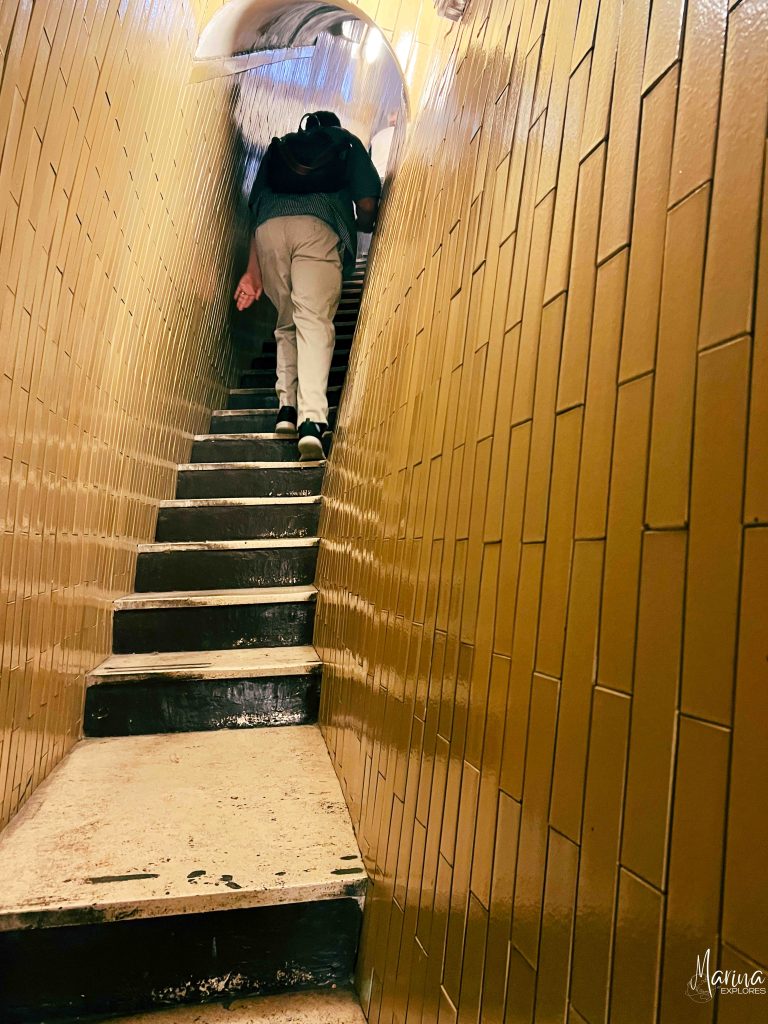
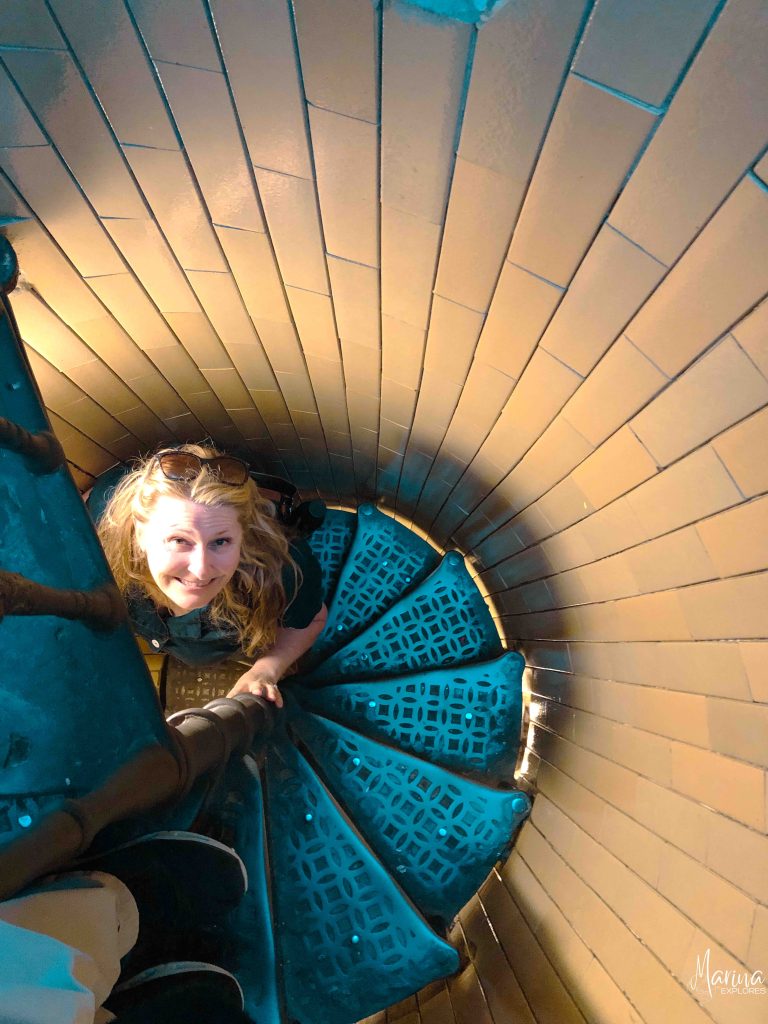
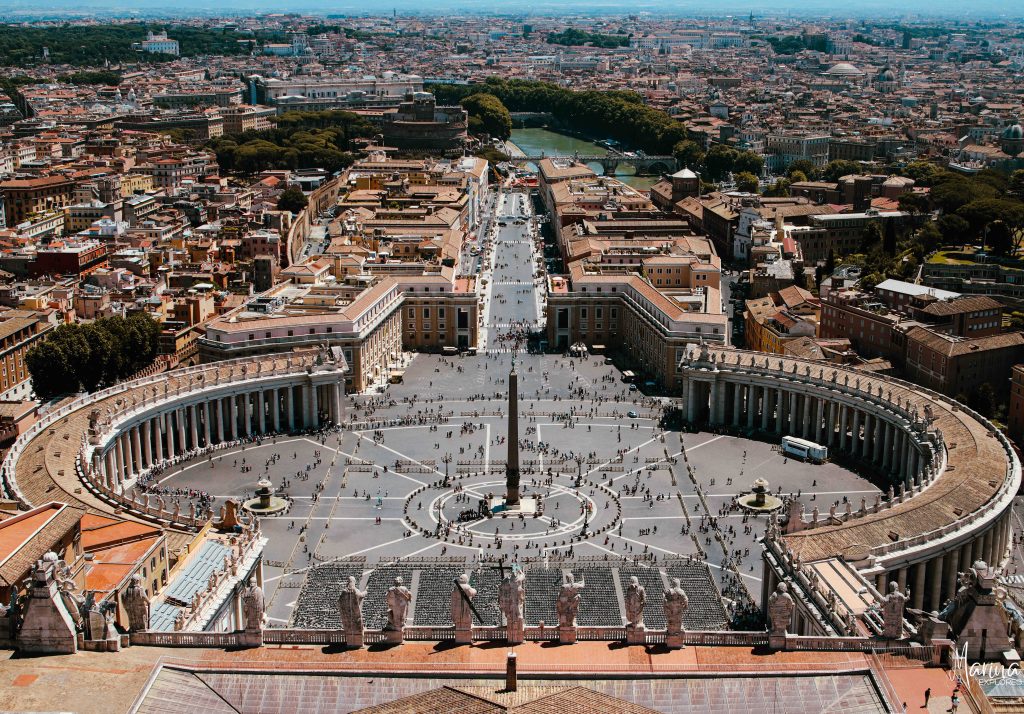
However, you are treated with up close views of the artwork on the ceiling as well as a great perspective of St. Peter’s Square from the terrace once you reach the top.
You’ll recognize the terrace views from many movies, such as Angels & Demons, and Mission: Impossible III.
Walk Along the Tiber (Best Views of Rome at Sunset)
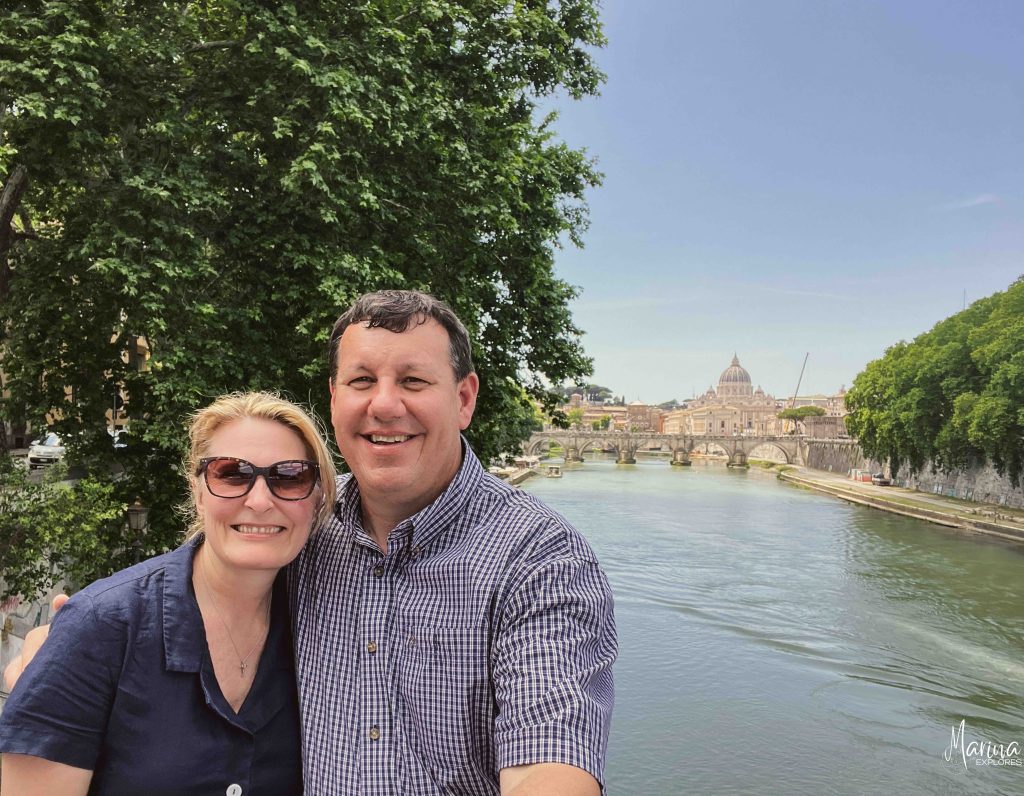
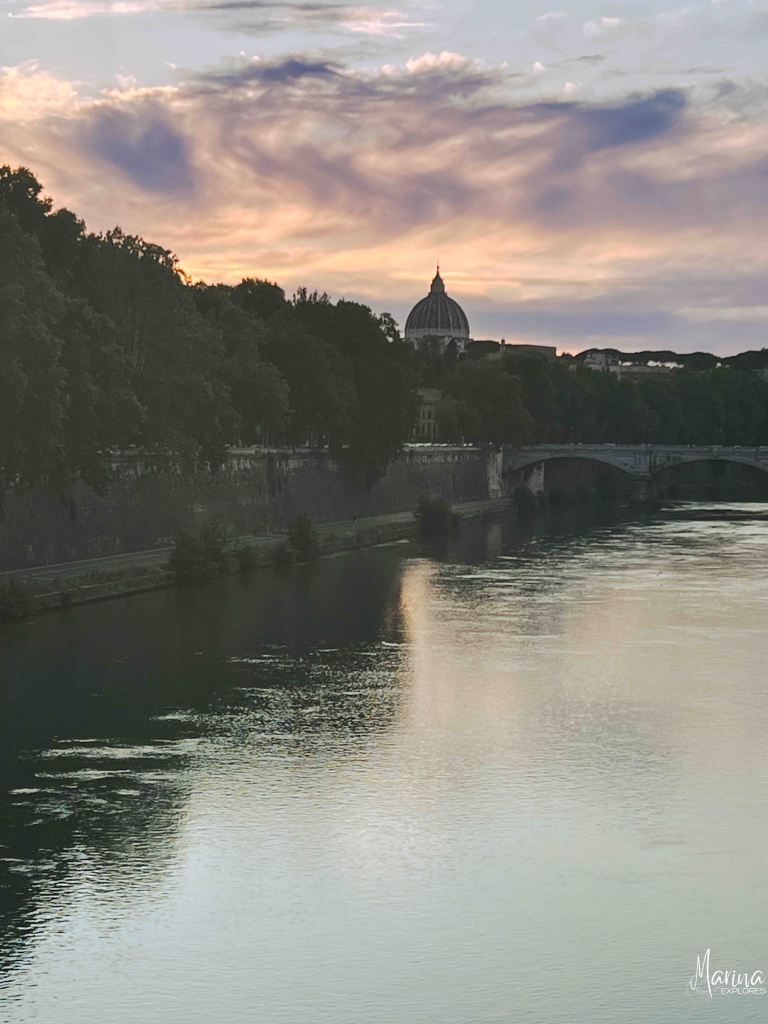
Within walking distance of the Vatican are some great photo spots on the bridges over the Tiber River with St. Peter’s in the distance. Make your way along the Tiber to get some shots of fortress Castel St. Angelo’s cylindrical exterior.
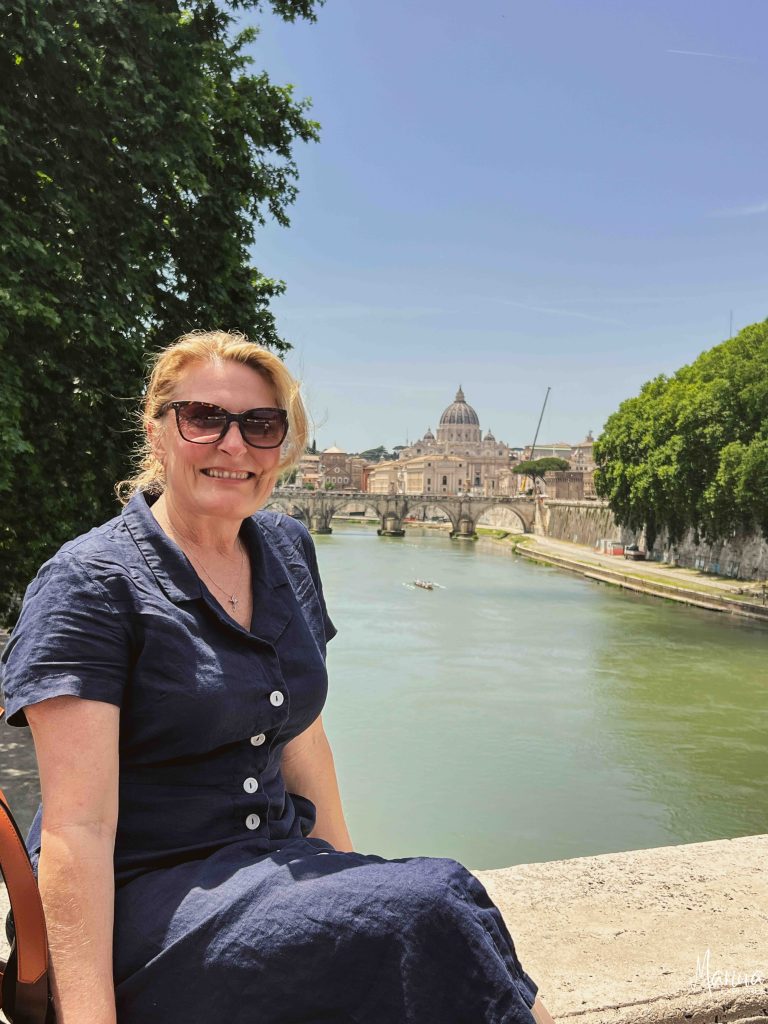
📸 Photo tip: Sunset reflections from bridges like Ponte Sant’Angelo create beautiful compositions with St. Peter’s dome in the distance.
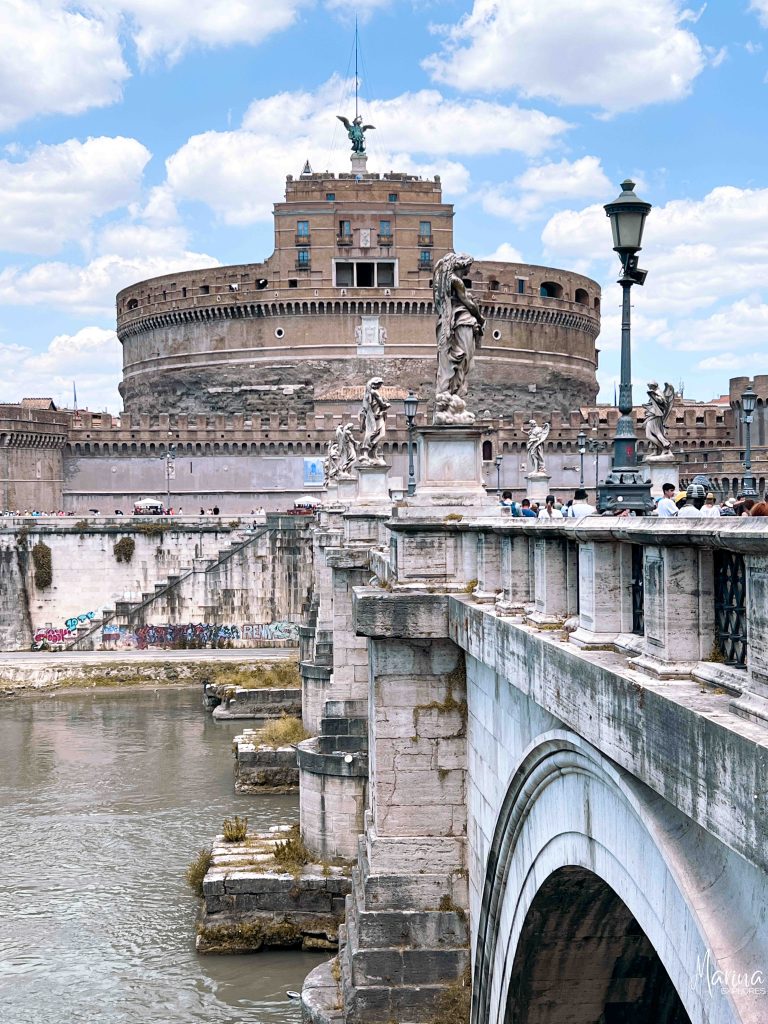
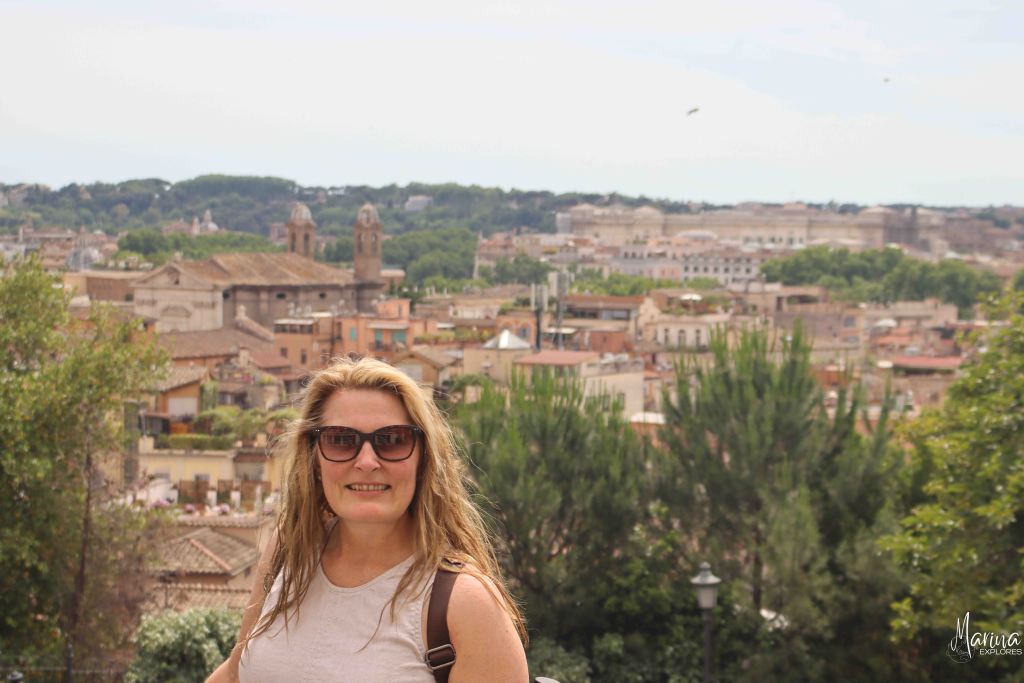
A walk up Janiculum Hill will reward you with some lovely panoramic views of the city.
Best Neighborhoods to Explore in Rome
Trastevere (Best Area for Food, Drinks, & Atmosphere)
This charming area just across the Tiber is filled with great restaurants, gelato shops, and photogenic cobblestone streets. Plan some time to eat a meal and wander here.
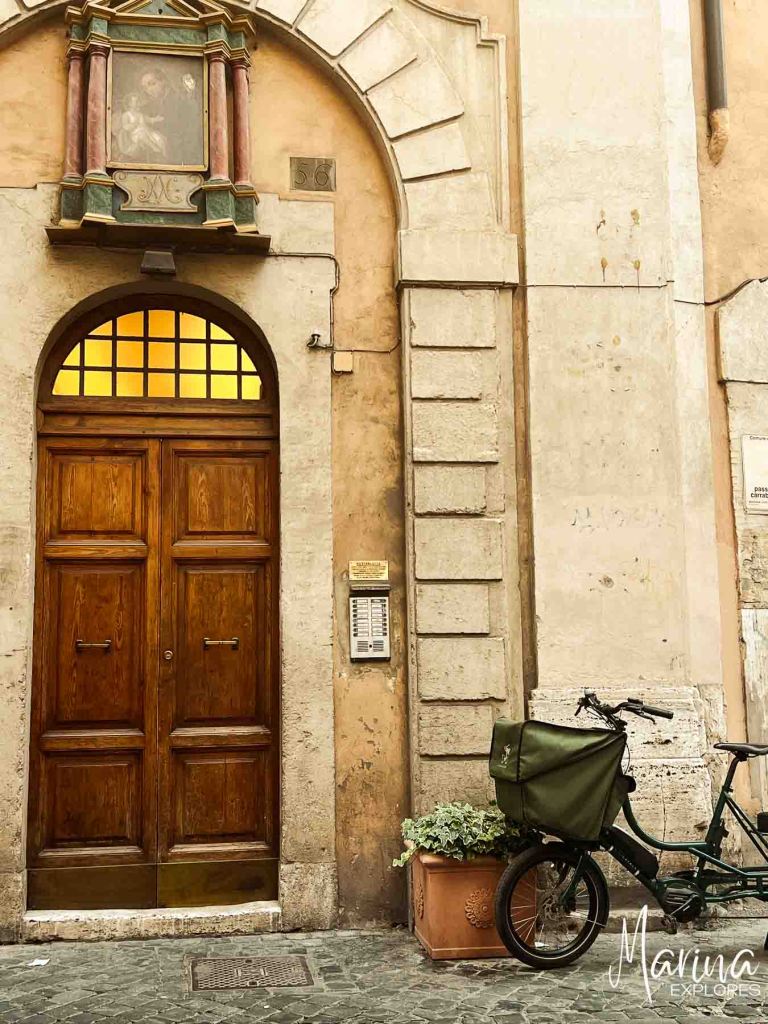
Monti (A Trendy Neighborhood Near the Colosseum)
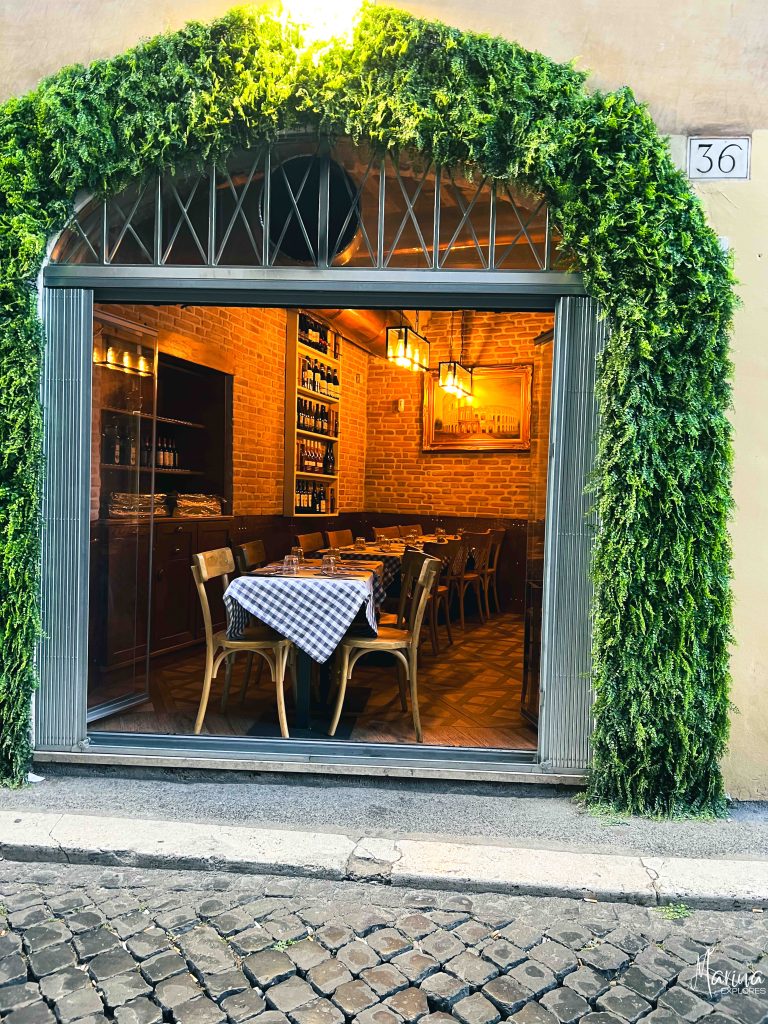
Ivy-covered buildings, boho vibes, and great dining are all found here. It’s worth some time, especially before or after your Colosseum visit.
Where to Save and Where to Splurge in Rome
💡Save:
- When booking an accommodation, consider somewhere near the Pantheon. You’ll still be walking distance to all the major sites, but it’s a bit more affordable.
- Use the inexpensive audio guide inside the Pantheon.
- Visit the Trevi Fountain on your own. If that iconic shot sitting on the fountain edge is important to you, you can visit for free after 10 pm when the barriers are removed. Otherwise it’s a small fee.
📍Best Photo Spots in Rome (Iconic + Hidden Gems)
If you’re hoping to capture beautiful images of Rome, these are some of the most photogenic spots in the city.
Trevi Fountain — early morning
The fountain is stunning at any time of day, but sunrise offers your best chance at fewer crowds.
Colosseum at Night
The monument is beautifully illuminated after dark and the surrounding area becomes much quieter.
Ponte Sant’Angelo
This bridge offers one of the best views of St. Peter’s Basilica framed in the distance.
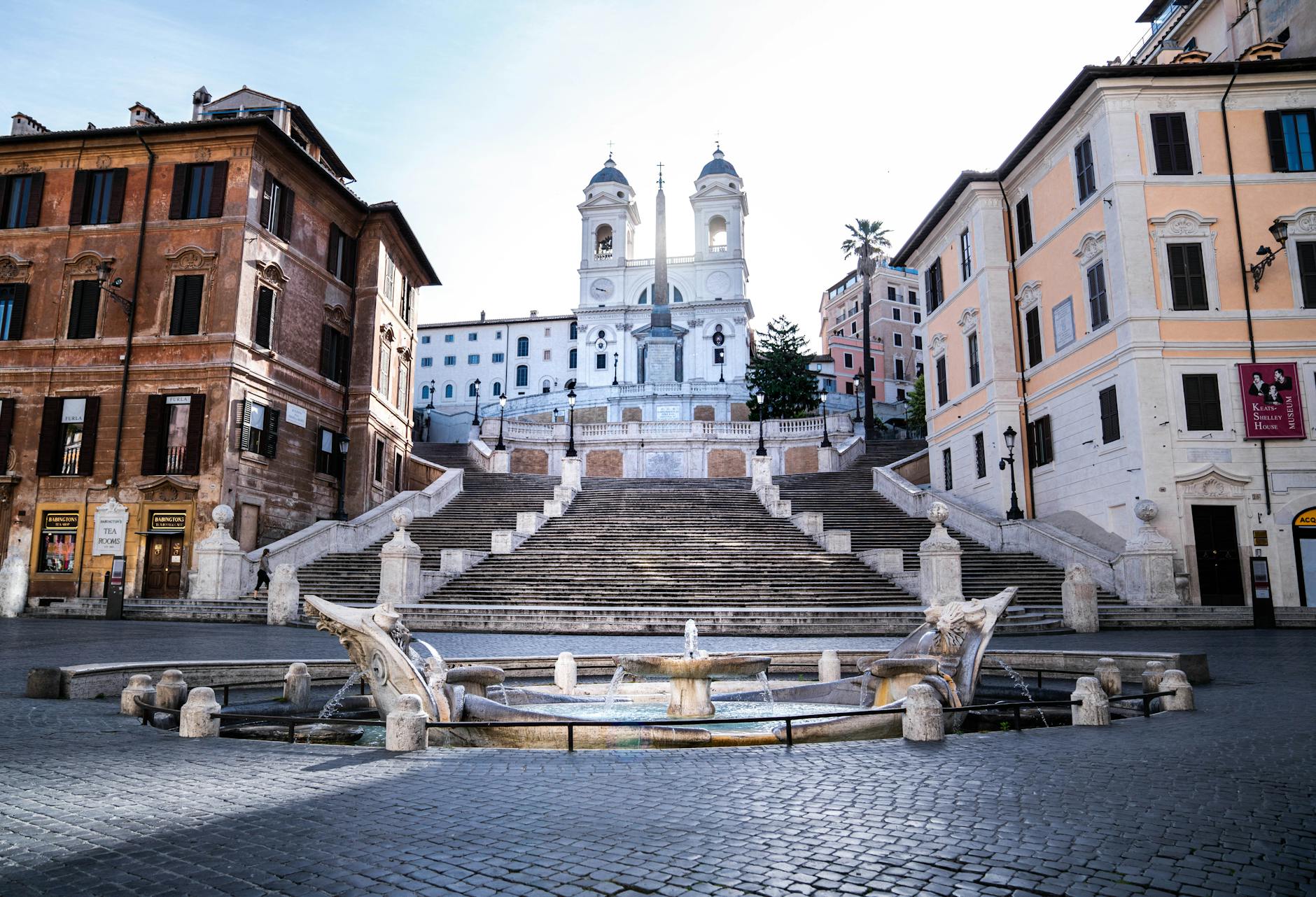
Spanish Steps
Photograph from the bottom looking up for the most dramatic perspective.
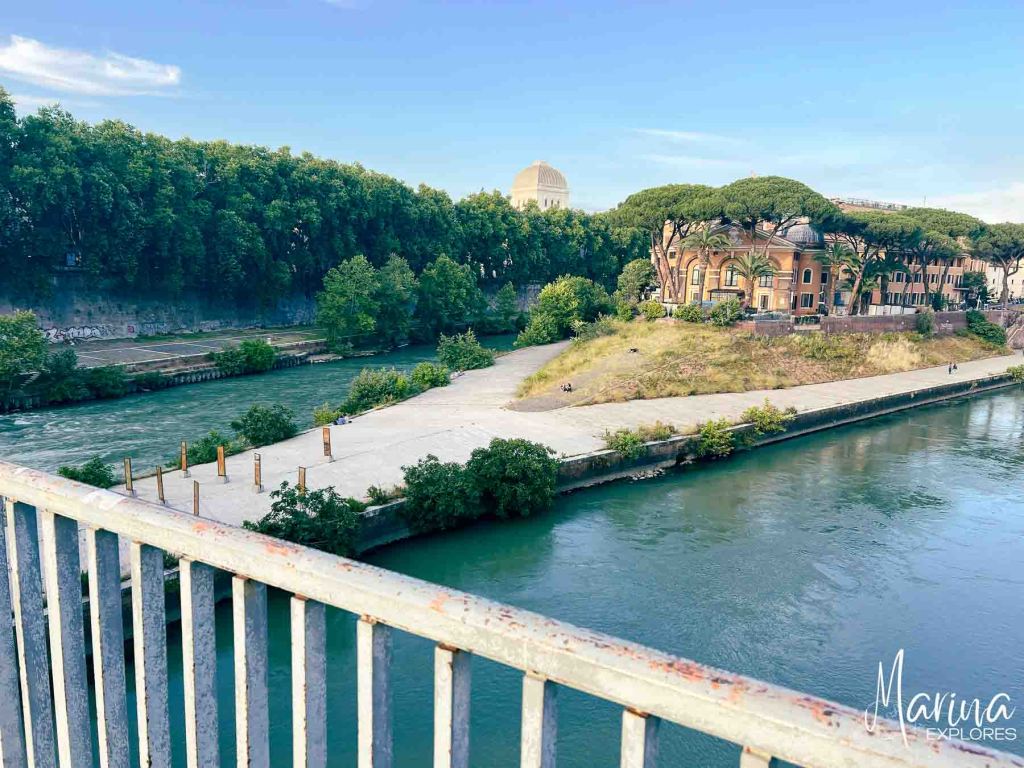
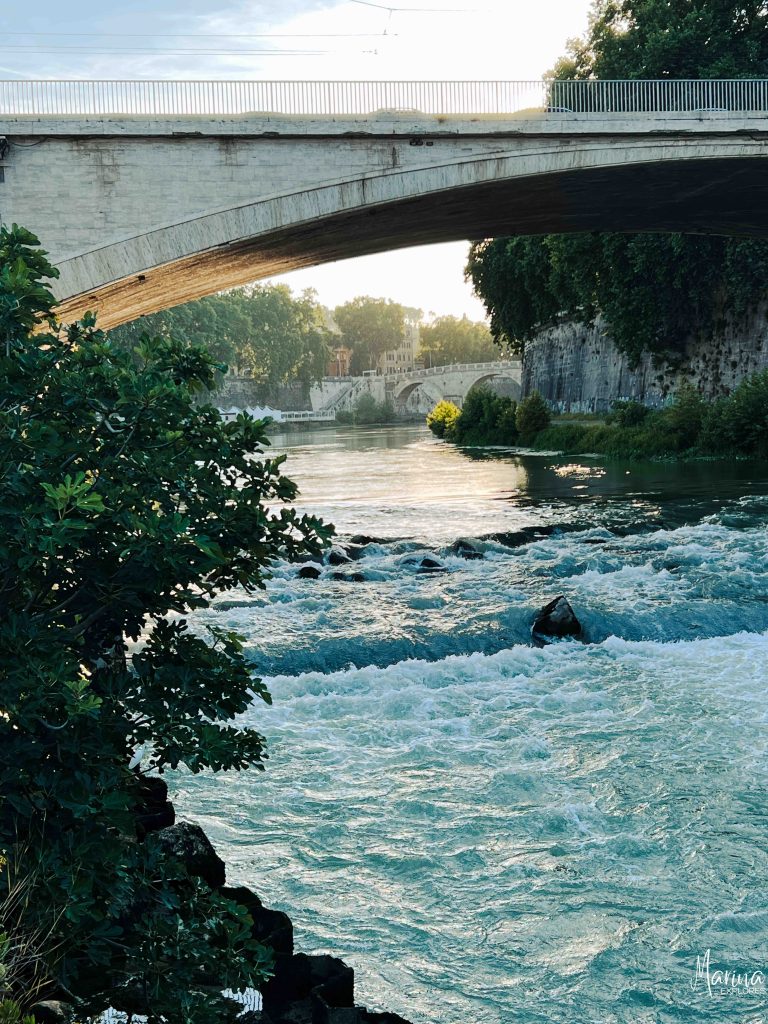
Isola Tiberina
A charming and often overlooked photo spot, especially at sunset. It’s a tiny island in the middle of the Tiber River.
📸 Rome Photography Tips (How to Capture the Best Shots)
Rome is incredibly photogenic, but a few small strategies can make a big difference in your photos.
📸 Photo tip: Visit famous landmarks early (or late)
Popular sites like the Trevi Fountain and Spanish Steps become extremely crowded. Sunrise is the best time for cleaner compositions.
📸 Photo tip: Use bridges for sunset photography
Bridges along the Tiber River offer beautiful reflections and views of the skyline.
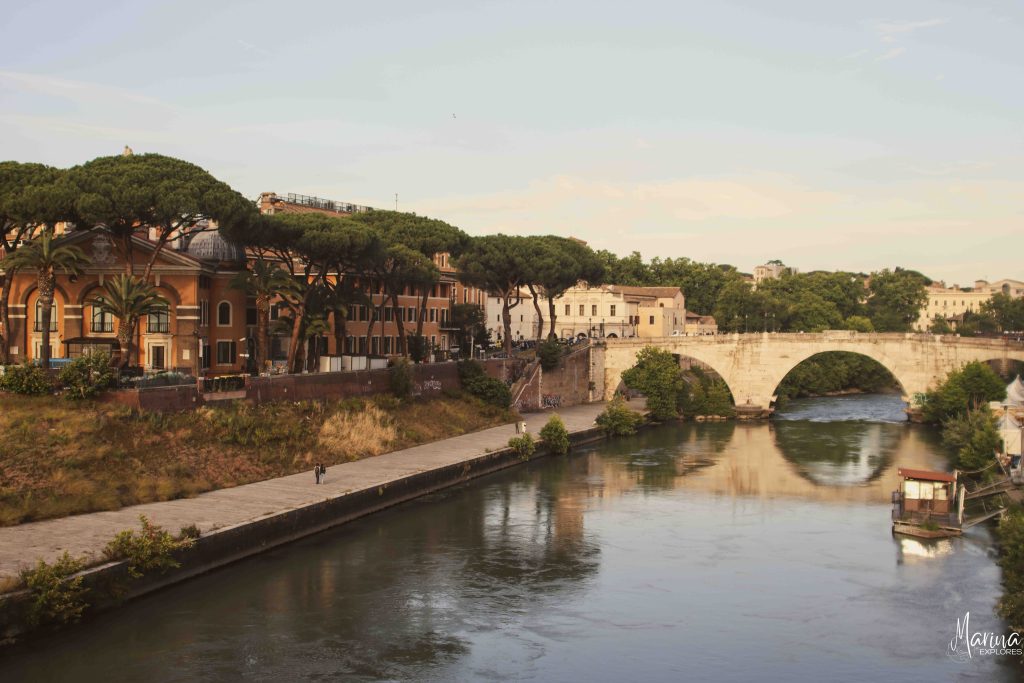
📸 Photo tip: Look for leading lines
Rome’s cobblestone streets and narrow alleys naturally guide the viewer’s eye through the frame.
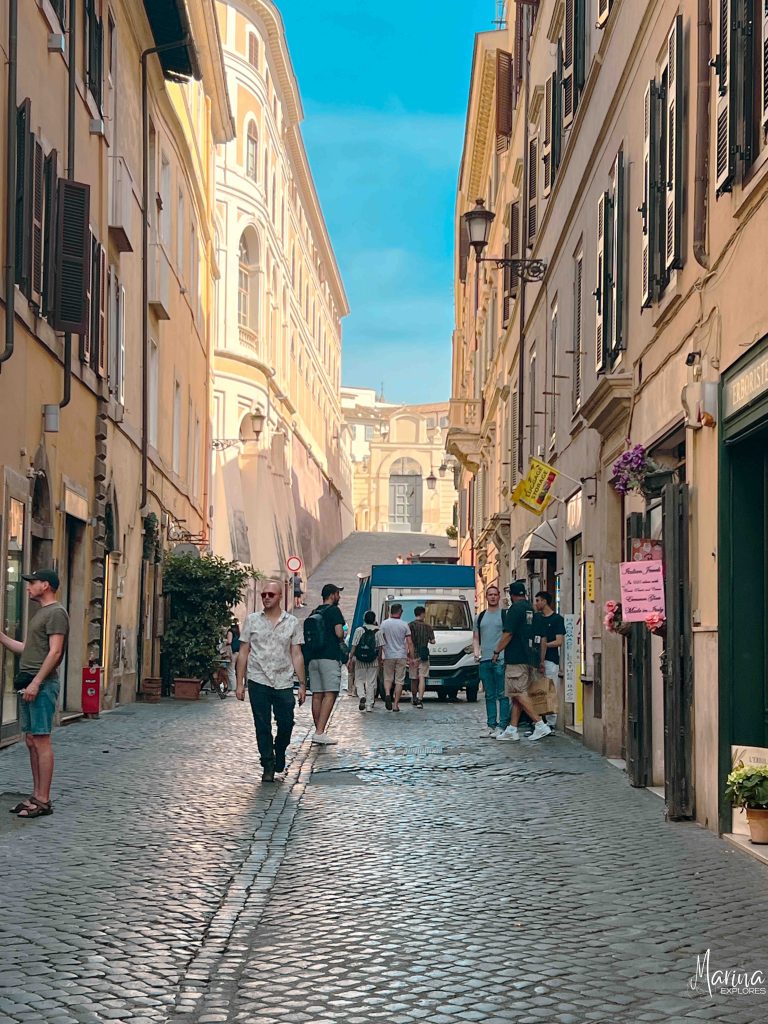
📸 Photo tip: Step away from the main streets
Some of the most charming photos come from quiet courtyards and small neighborhood streets.
Rome is one of those cities that stays with you long after you leave — not just for its landmarks, but for the quiet moments in between.
✅Plan Your Rome Trip
→ Skip-the-line Colosseum entry
→ Vatican early-access tours
→ Rome accommodations
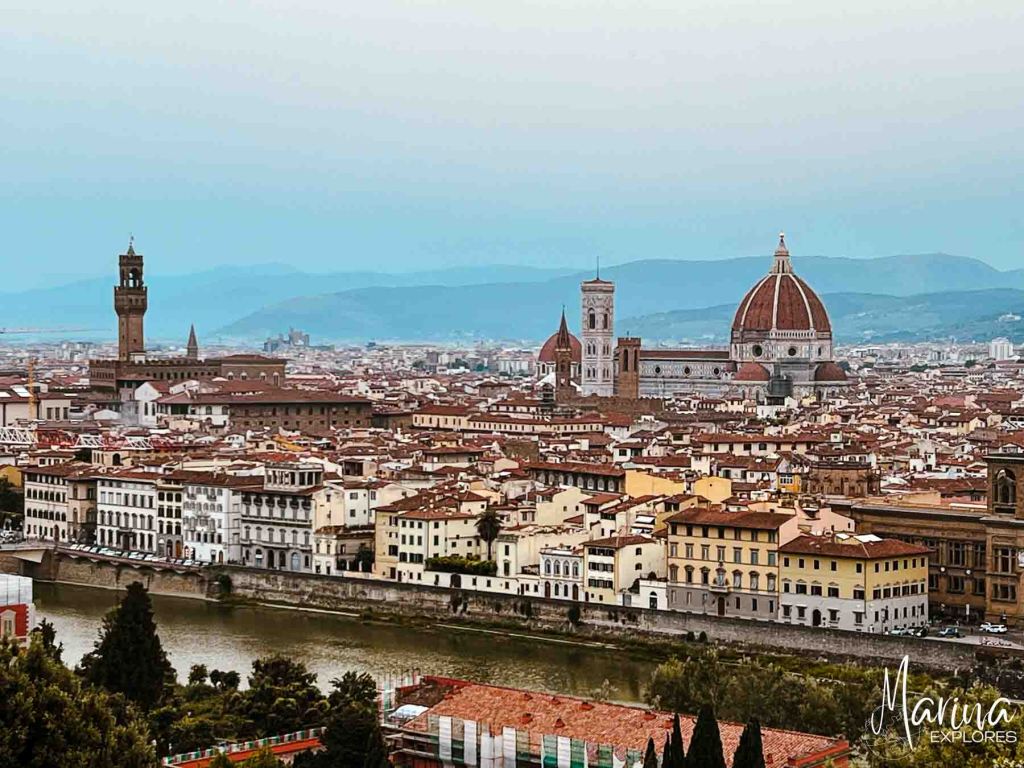
After Rome, we continued on to Florence, which ended up being one of our favorite stops in Italy.
If you’re planning a longer trip, this Rome itinerary fits perfectly into a broader Italy route that includes Florence, Cinque Terre, and Venice.
Planning A Trip to Italy? Read These Next: ✈️
- Is a Guided Colosseum Tour Worth It? – My honest review and tips
- Rome at Sunset: A Self-Guided Walk – A relaxed evening route ending near the Colosseum
- 5 Days in Florence: Itinerary – Art, food, and unforgettable Tuscany day trips
- What to Wear in Italy in Summer – Comfortable, stylish outfits for long walking days




Leave a Reply